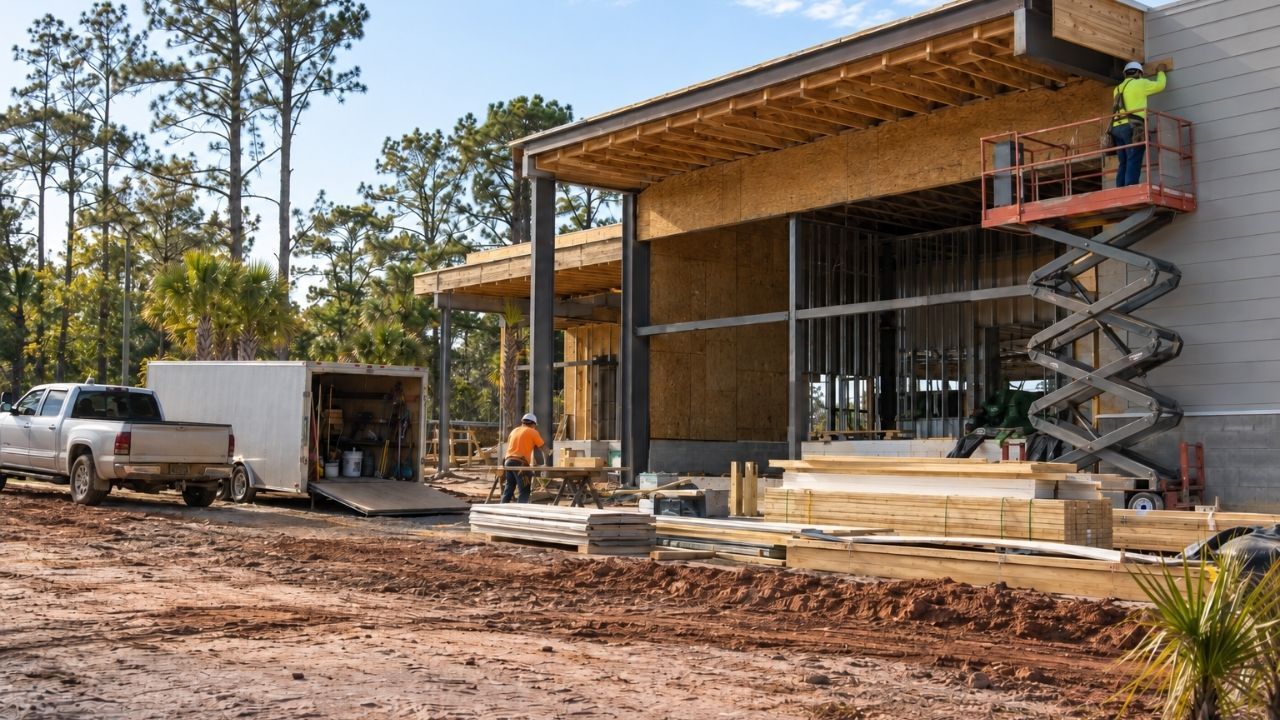
Charleston, South Carolina Home Insurance

9:00am - 5:00pm Mon-Fri
Will Reply in 15min*
Charleston sits at the intersection of historic charm and natural vulnerability. Between its low-lying elevation, proximity to the Atlantic, and a history of devastating hurricanes, insuring a home here isn't quite like insuring one in
Columbia or
Greenville. The average annual cost of
home insurance in Charleston has climbed to roughly $5,401, a figure that dwarfs the South Carolina state average and catches many
new homeowners off guard. If you're buying, selling, or simply renewing a policy in the Lowcountry, understanding what drives those numbers, and what coverage you actually need, can save you thousands over the life of your mortgage. This guide breaks down the cost factors and coverage options specific to Charleston, South Carolina so you can make a confident, informed decision.
Understanding Charleston's Unique Home Insurance Landscape
Charleston's insurance market operates under pressures that most inland cities never face. A combination of geography, weather history, and shifting reinsurance costs has created a pricing environment that demands attention from every homeowner. You can't treat a Charleston policy the same way you'd treat one 100 miles north.
The Impact of Coastal Geography on Premiums
The Charleston peninsula barely rises above sea level in many neighborhoods. Areas like downtown, James Island, and Folly Beach sit in FEMA-designated flood zones, which means carriers price in the statistical likelihood of water damage from storm surge, tidal flooding, and heavy rainfall. Hurricanes Hugo (1989), Matthew (2016), and Ian (2022) each left billions in insured losses across the state, and those losses get baked into future premium calculations.
Reinsurance, the insurance that insurance companies buy to protect themselves, has risen sharply in 2026. Carriers pass those costs directly to policyholders, and coastal ZIP codes absorb the largest share. The closer you are to the water, the more you'll pay.
Why Charleston Rates Differ from Inland South Carolina
A homeowner in Spartanburg or Anderson might pay $1,800 to $2,400 annually for comparable dwelling coverage. That's less than half of what a Charleston homeowner pays. The gap comes down to wind exposure, flood risk, and claims frequency.
Inland properties rarely face hurricane-force winds or storm surge. Their primary risks are fire, theft, and hail, which are cheaper to insure. Charleston properties face all of those risks plus wind, water intrusion, and the occasional tornado spawned by tropical systems. Carriers also factor in the density of claims in a given area. When a hurricane hits Charleston, thousands of claims come in simultaneously, straining adjuster capacity and driving up repair costs due to contractor demand.

By: David Ashton
Owner and Agent at Southern Insured
Choosing the right policy structure is just as important as finding the right price. A cheap policy with critical gaps will cost you far more after a major storm than a slightly pricier one that actually covers your risks.
Standard HO-3 Policy Components
Most Charleston homeowners start with an HO-3 policy, the most common form of homeowners insurance in the country. It covers your dwelling, other structures (fences, detached garages), personal property, liability, and additional living expenses if your home becomes uninhabitable.
An HO-3 covers your dwelling on an "open perils" basis, meaning it covers everything except what's specifically excluded. Personal property is covered on a "named perils" basis, meaning only listed causes of loss are covered. Common exclusions include flood, earthquake, and sometimes wind in coastal areas. That last exclusion is a big deal in Charleston.
Wind and Hail Deductibles Explained
Here's what catches many Charleston homeowners off guard: your wind and hail deductible is almost certainly a percentage of your dwelling coverage, not a flat dollar amount. If your home is insured for $400,000 and your wind/hail deductible is 5%, you're responsible for the first $20,000 of any wind or hail claim.
Percentage-based deductibles of 2% to 5% are standard in coastal South Carolina. Some carriers offer 1% options, but the premium increase can be significant. You should know your exact deductible before hurricane season, not after a storm hits. This is one of the most common surprises in claims I've seen: homeowners expecting a $1,000 deductible and learning it's actually $10,000 or more.
Flood Insurance: Why It's Often a Separate Necessity
Standard homeowners policies don't cover flood damage. Period. If your home floods from storm surge, rising rivers, or heavy rainfall that overwhelms drainage systems, your HO-3 won't pay a dime for water damage from those sources.
You'll need a
separate flood policy, either through the National Flood Insurance Program (NFIP) or a private flood carrier. NFIP policies cap dwelling coverage at $250,000 and contents at $100,000. If your home is worth more, a private flood policy can fill that gap. Premiums vary wildly based on your elevation, flood zone, and the structure's foundation type. Expect anywhere from $500 to $5,000+ annually depending on those factors.
Comparing Coverage: Standard vs. Coastal Enhanced Policies
Not all policies are built for coastal living. A standard HO-3 might leave significant gaps that a coastal-enhanced or supplemental policy can fill.
Comparison Table: Basic vs. Comprehensive Protection
| Feature | Standard HO-3 | Coastal Enhanced |
|---|---|---|
| Dwelling coverage | Included | Included (higher limits available) |
| Wind/hail | Often excluded in coastal zones | Included or available via endorsement |
| Flood | Excluded | Separate policy required, but bundled options exist |
| Storm surge | Excluded | May be included with flood add-on |
| Loss of use | 20% of dwelling limit typical | Up to 30-40% with endorsements |
| Ordinance/law coverage | Limited or excluded | Included (covers code upgrade costs) |
| Wind deductible | 2-5% percentage | 1-2% options more common |
| Replacement cost vs. ACV | Varies | Replacement cost standard |
One thing to keep in mind: ordinance or law coverage matters in Charleston's historic districts. If your 1850s home suffers major damage, you may be required to rebuild to modern code, which can cost 20-40% more than a simple repair. Without this endorsement, you'd pay that difference out of pocket.
Factors That Influence Your Charleston Insurance Quote
Your premium isn't random. Carriers use specific data points to calculate your risk, and understanding them gives you room to negotiate or make improvements that lower your rate.
Home Age and Historic District Requirements
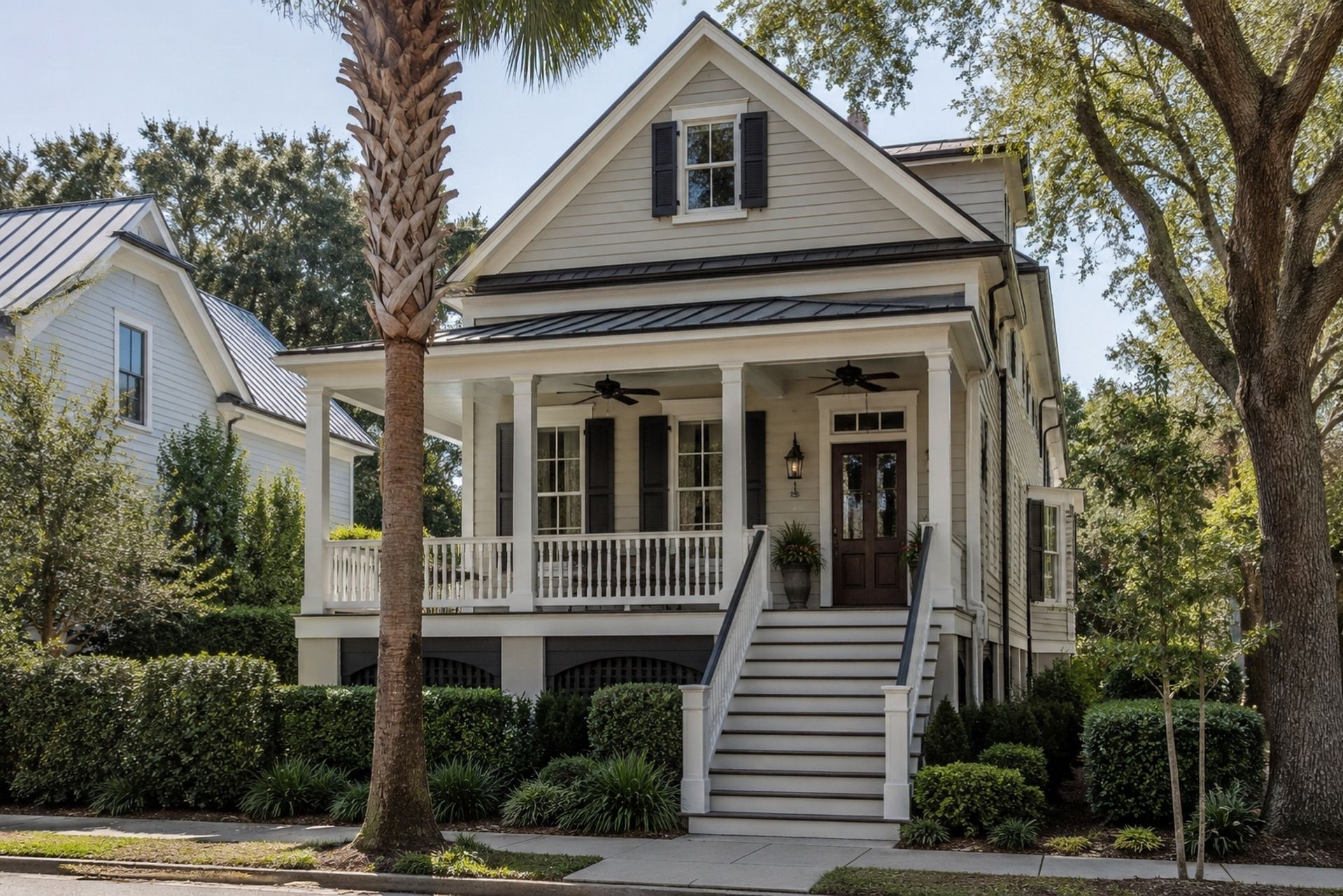
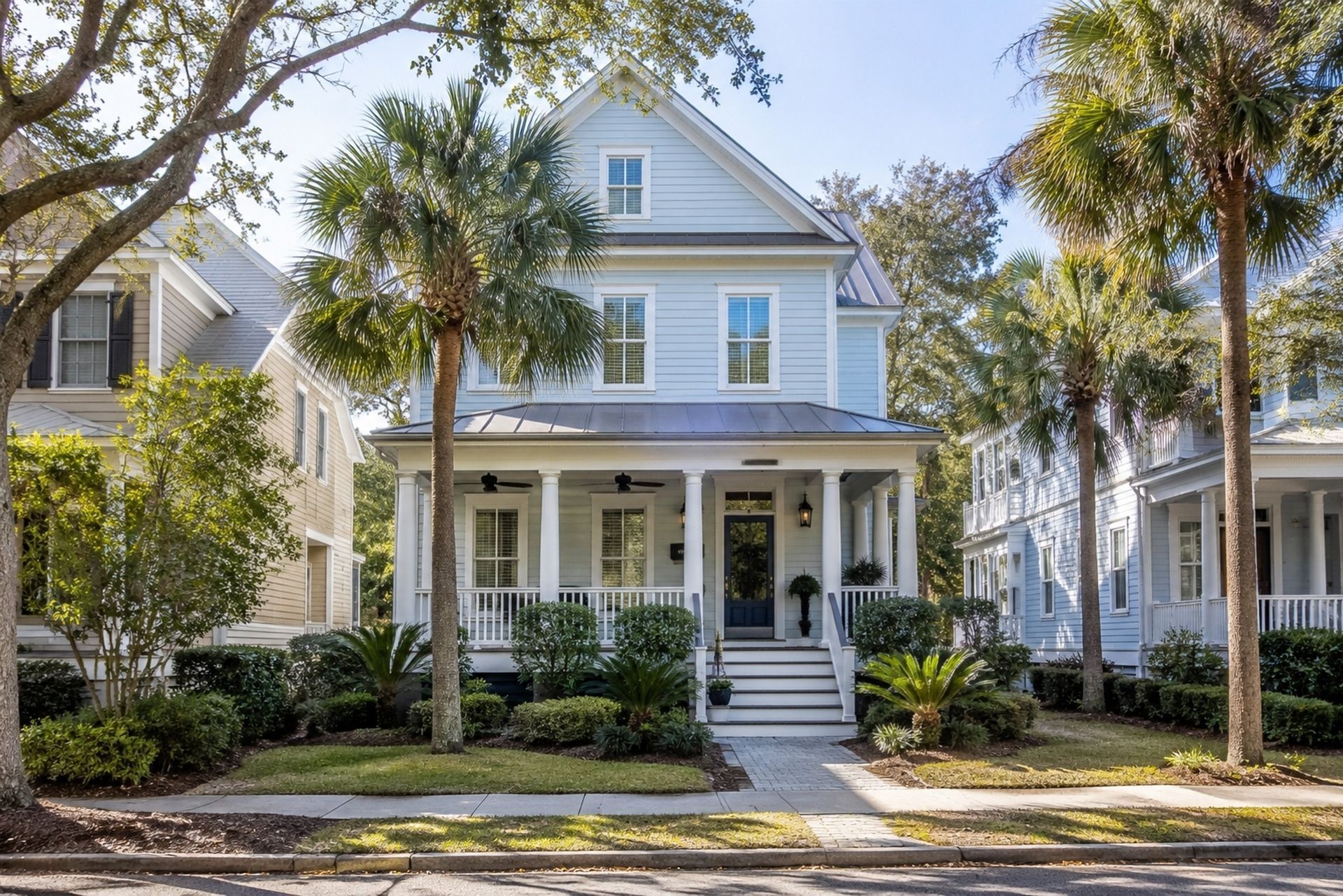
Charleston has one of the largest historic districts in the country. Homes in the French Quarter, South of Broad, or Harleston Village often date to the 18th or 19th century. Older homes cost more to insure because they're harder and more expensive to repair. Original plaster walls, heart pine floors, and custom millwork can't be replaced with stock materials from a home improvement store.
If your home is on the National Register or within a local historic overlay, your carrier may require specialized coverage or higher dwelling limits to account for restoration costs. Some homeowners in these districts find that only a handful of carriers will write their policy at all.
Elevation Certificates and Flood Zones
Your elevation certificate is one of the most valuable documents you can have as a Charleston homeowner. It shows your home's elevation relative to the Base Flood Elevation (BFE) for your area. If your lowest floor sits above the BFE, your flood premium drops significantly. If it sits below, expect to pay a premium.
FEMA flood zone designations (A, AE, V, VE, X) directly affect both your flood insurance cost and whether your mortgage lender requires flood coverage. Even if you're in Zone X (moderate to low risk), flooding can still happen. Many claims during Hurricane Matthew came from Zone X properties that homeowners assumed were safe.
Roof Material and Storm Mitigation Credits
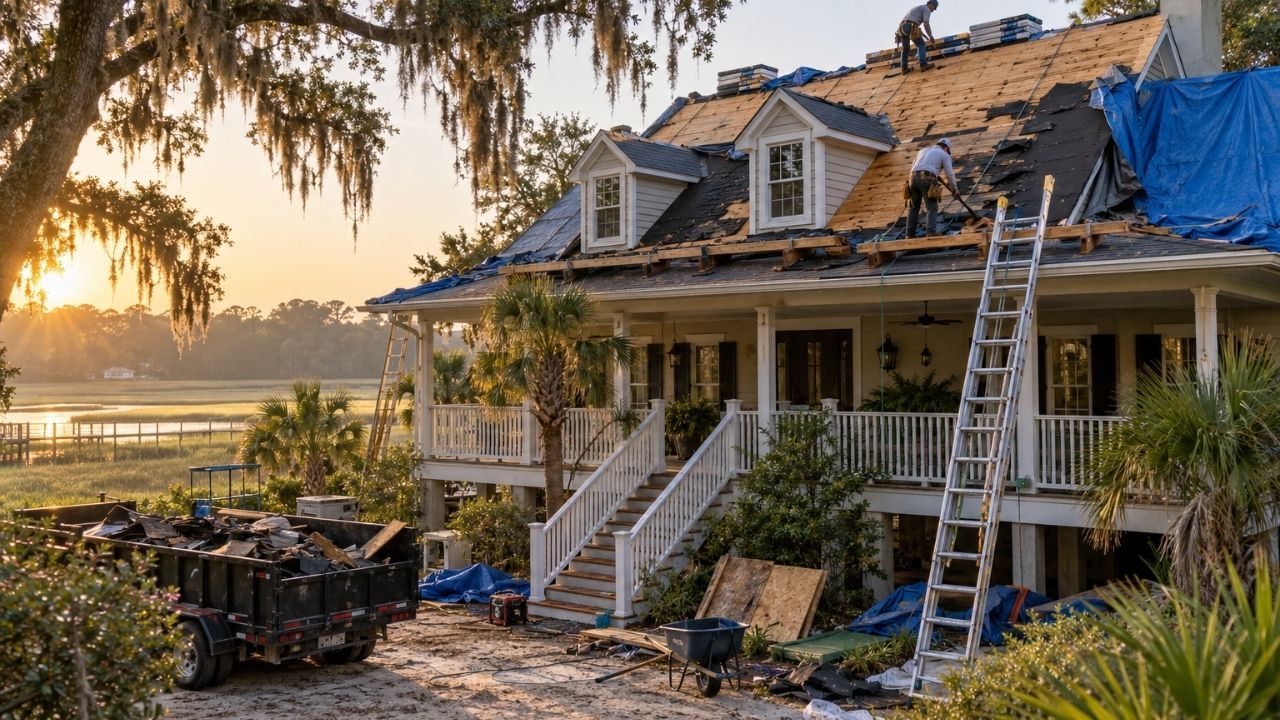
Your roof is the single most impactful factor you can control. A newer roof with hurricane straps, impact-resistant shingles, and a hip-style design can earn you significant premium discounts in South Carolina. Some carriers offer 15-30% credits for verified wind mitigation features.
Get a wind mitigation inspection. It typically costs $75 to $150 and documents features like:
- Roof-to-wall connection type (clips, straps, or toe-nails)
- Roof deck attachment method
- Roof covering type and age
- Opening protection (hurricane shutters or impact windows)
- Roof geometry (hip vs. gable)
That small investment can save you hundreds or even thousands per year.
Common Questions About Charleston Home Insurance
FAQ: What does hurricane insurance actually cover?
There's no single "hurricane insurance" policy. Hurricane damage is typically split between your homeowners policy (wind damage to the structure) and your flood policy (water damage from surge or flooding). You need both to be fully protected during a hurricane.
FAQ: Do I really need flood insurance if I'm not in a high-risk zone?
Yes. Over 25% of all NFIP flood claims come from properties outside high-risk zones. Charleston's drainage infrastructure can be overwhelmed by heavy rain alone, and you don't need a hurricane for street-level flooding to enter your home.
FAQ: How can I lower my premium in a coastal area?
Install hurricane shutters or impact windows, upgrade your roof, raise your deductible to a level you can comfortably afford, and bundle your home and auto policies. Shopping your policy every two to three years also helps, as carriers adjust their appetite for coastal risk regularly. Homeowners who can't find affordable coverage through standard carriers may qualify for the South Carolina Wind and Hail Underwriting Association as a last resort.
FAQ: Does my policy cover damage from rising tides?
No. Standard homeowners policies exclude damage from rising water of any kind. Tidal flooding, storm surge, and coastal erosion are flood events that require a separate flood insurance policy.
FAQ: Why is my windstorm deductible a percentage instead of a dollar amount?
South Carolina law allows carriers to use percentage-based wind and hail deductibles in coastal counties. This shifts more of the initial loss to the homeowner and helps carriers manage their exposure during large-scale storm events. The percentage applies to your dwelling coverage amount, not the claim amount.
Making the Right Choice for Your Property
Home insurance in Charleston, South Carolina demands more thought than a simple online quote comparison. Your cost depends on a web of factors: your flood zone, roof condition, home age, distance from the coast, and the specific endorsements you carry. The gap between a bare-bones policy and one that actually protects your investment can be the difference between recovering from a storm and facing financial ruin.
Start by getting your elevation certificate and a wind mitigation inspection. Review your current policy for gaps in wind, flood, and ordinance coverage. Compare quotes from at least three carriers, including regional insurers who specialize in coastal South Carolina properties. Don't just chase the lowest premium: chase the best coverage for your specific risks.
The right policy won't be the cheapest one on the shelf. It'll be the one that pays when you need it most.
About The Author:
David Ashton
As Owner and Agent at Southern Insured, I’m passionate about helping families and businesses in South Carolina find coverage that truly fits their needs. With a background in accounting and years of experience as an independent agent, I value the freedom to recommend what’s best for each client. I enjoy spending time with my wife and children, volunteering at my church, and exploring everything the Upstate has to offer.








Personal Insurance Solutions to Protect Your Self & Family
MANAGE YOUR PERSONAL RISK





We love our clients

Sarah Gibbs
Commercial Insurance Client

Couldn't be happier! If you're looking for home insurance. look no further, The Southern Insurance Group is a great place to get insurance. They really go above and beyond helping you find the best bang for your buck. We own a rental business and a construction company, First Choice Constructors, and Rachel did a great job helping our company find exactly what we needed. Even when her phone was broken, Rachel sent texts and emails communicating clearly and efficiently. She's a true gem to The Southern Insurance Group. It's a pleasure doing business with them.

Mark H.
Personal Insurance Client
Peyton was a much needed change from my last agent who didn’t serve me very well. Peyton is a breath of fresh air. I have all my business insurances through him and loved that he made it much easier than I expected! Definitely recommend!

Cristal N.
Personal Insurance Client
Rachel was very helpful, answered all our questions, talked to the salesman we were buying the car from, and had everything ready to go for a totally new policy within an hour.
The next day we had our older car added to the policy as well, it was quick, easy and friendly. We will be doing all our future car insurance needs through Rachel.

Sabrina C.
Commercial Insurance Client
David Mosely was so helpful! He walked me through my policy and my options and truly could not have been more helpful. I don't know anyone else who would say they enjoyed their experiences trying to find insurance, but with his help I not only got insured, but learned about exactly what I am paying for.

Alex
Personal Insurance Client
Rachel at Southern Insurance Group is great. She is super helpful and nice. This is my go to place for commercial truck insurance in Greenville, SC.

Stephanie M.
Personal Insurance Client
Working with David was amazing! He explained different coverage options and what they all meant which allowed us to make informed decisions based on our needs. His knowledge around insurance is phenomenal and he’s a fun person to talk to. I highly recommend!!
Commercial Insurance Solutions to Protect Your Business
THE BEST INSURANCE COVERAGE FOR YOUR BUSINESS






Industries We Serve
WE PROTECT THESE BUSINESS IN SOUTH CAROLINA, NORTH CAROLINA, & GEORGIA
Contractors
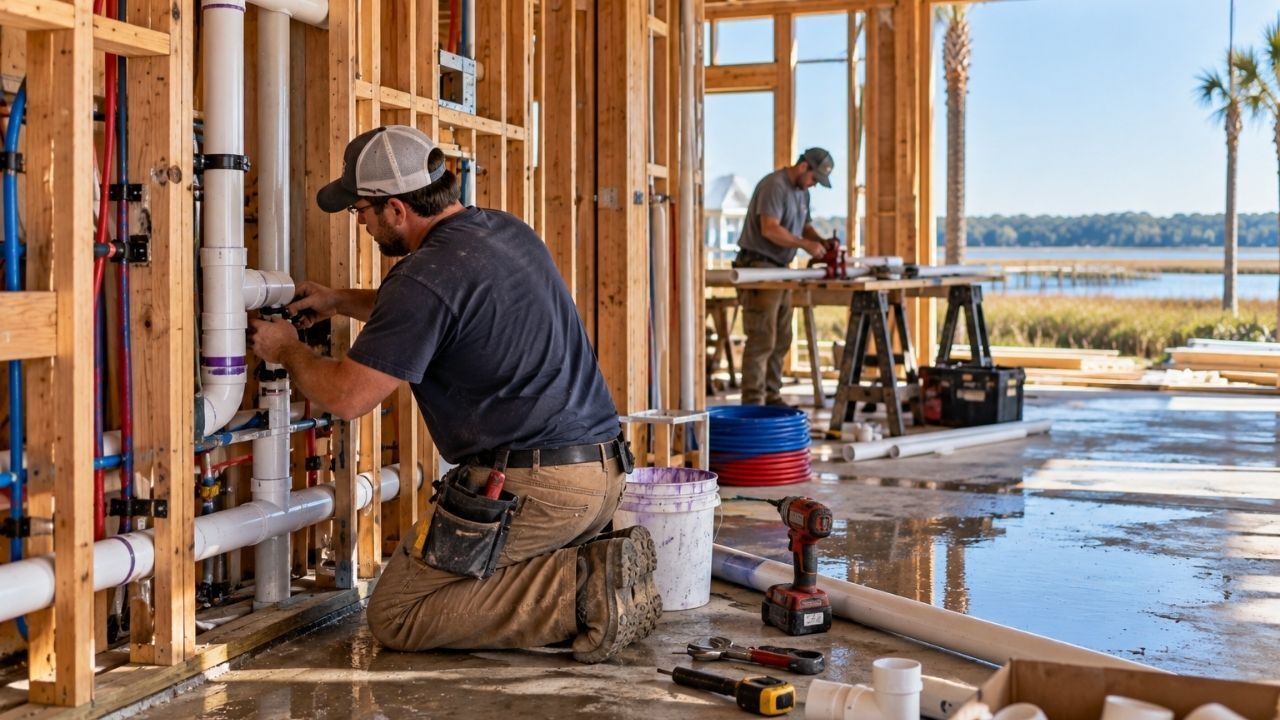
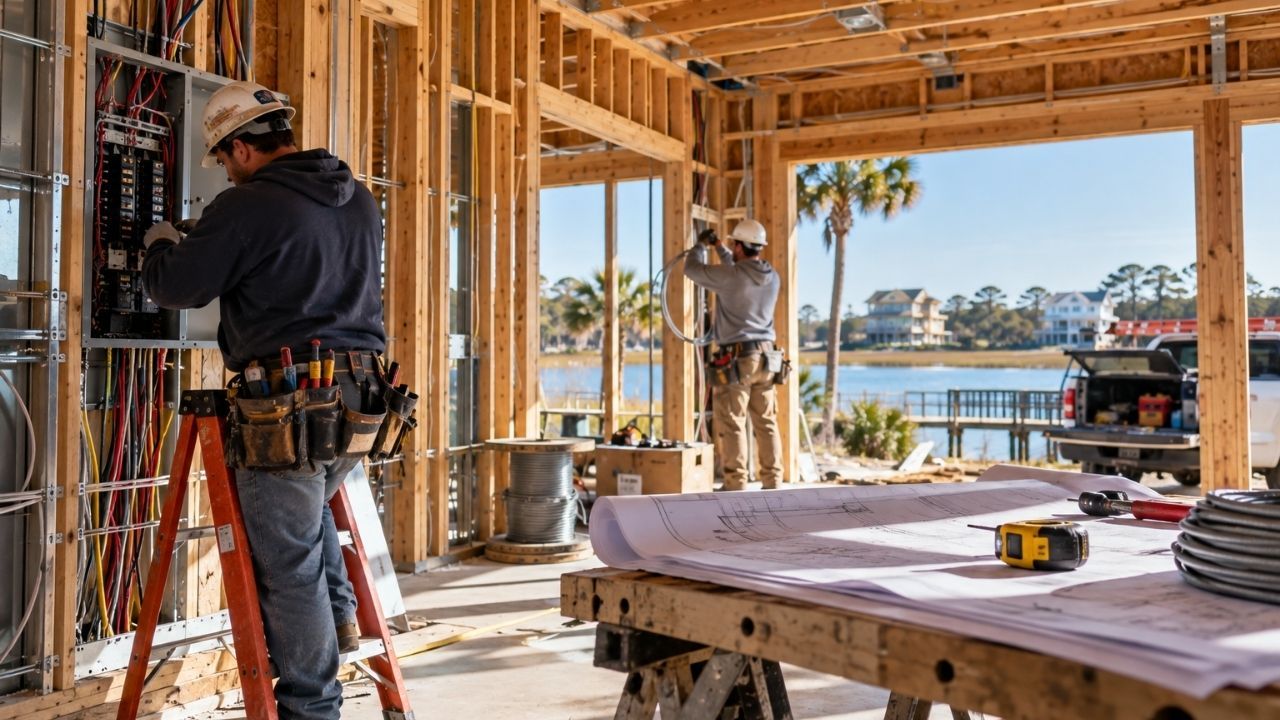
Covers liability, property damage, and worker's compensation for contractors.
Restaurants
Protects against property damage, liability, and business interruption for restaurants.
Real Estate Investors
Safeguards investment properties from damages, liability, and income loss.
Insurance News and Insights
BLOG UPDATES



Support, answer and help, get in touch
Address office
5 Century Dr #130, Greenville, SC 29607
1901 Main Street, Floor 18
Columbia, SC 29201
Mailing Address
PO Box 202 Greenville, SC 29602
Greenville, SC
864-626-6181