South Carolina Flood Insurance

9:00am - 5:00pm Mon-Fri
Will Reply in 15min*
South Carolina sits squarely in the path of Atlantic hurricanes, tropical storms, and heavy rainfall events that can dump inches of water in just hours. If you own property here, whether along the Grand Strand, in the Lowcountry, or even inland near Columbia, flood risk isn't something you can afford to ignore. The average annual cost of flood insurance in South Carolina hovers around $707, but your actual premium could land well above or below that number depending on your property's specific risk profile. Understanding what flood coverage actually includes, how pricing works, and where to buy a policy can save you thousands of dollars and a tremendous amount of stress after the next major storm. This guide breaks down cost factors, coverage details, and the key differences between federal and private options so you can protect your home with confidence.
Understanding Flood Insurance Needs in South Carolina
South Carolina has experienced some of the costliest flood events in U.S. history over the past decade. The October 2015 floods caused over $1.5 billion in damage across the state, and Hurricane Florence in 2018 brought catastrophic inland flooding that caught many homeowners off guard. These events proved that flood damage doesn't just happen on the beach. Rivers overflow, storm drains back up, and low-lying areas fill with water miles from the nearest coastline.
The state has over 200 communities participating in the National Flood Insurance Program, which tells you something about how widespread the risk really is. Even if you've never seen standing water on your street, your property may sit in a zone with meaningful flood exposure.
Why Standard Homeowners Insurance Isn't Enough
Here's something that trips up a lot of homeowners: your standard homeowners policy does not cover flood damage. Not even a little. Whether it's a Category 4 hurricane pushing storm surge into your living room or a slow-rising creek that seeps into your basement, your homeowners insurer will deny the claim. Flood damage requires a separate, dedicated policy.
This gap catches people by surprise every single year. After major storms, FEMA disaster assistance might offer some help, but those funds typically come as low-interest loans, not grants. You'd still owe the money back. A flood insurance policy is the only reliable way to ensure your property and belongings are financially protected.
High-Risk vs. Moderate-Risk Flood Zones
FEMA designates flood zones using letters. The ones you'll see most often in South Carolina are Zone A, Zone AE, and Zone V (all high-risk), plus Zone X (moderate-to-low risk). If your property falls in an A or V zone, any federally backed mortgage will require you to carry flood insurance.
That said, roughly 25% of all NFIP claims come from properties outside high-risk zones. Living in Zone X doesn't mean you're safe. It means your statistical risk is lower, and your premiums will reflect that. But the risk isn't zero, and policies for moderate-risk properties are often surprisingly affordable, sometimes under $400 per year.

By: David Ashton
Owner and Agent at Southern Insured
What South Carolina Flood Policies Actually Cover
Flood insurance policies, whether through the NFIP or a private carrier, split coverage into two categories: building property and personal contents. You can buy both or just one, though most homeowners benefit from carrying both.
Building Property Protection
Building coverage pays to repair or replace the physical structure of your home and its essential systems. This includes:
- Foundation walls, floors, and staircases
- Electrical and plumbing systems
- HVAC equipment, water heaters, and built-in appliances
- Permanently installed carpeting, cabinets, and paneling
- Detached garages (under NFIP policies)
The NFIP caps building coverage at $250,000 for residential properties. If your home's replacement cost exceeds that figure, you'll want to explore private flood insurance for higher limits.
Personal Contents Coverage
Contents coverage protects your belongings: furniture, clothing, electronics, and other personal items damaged by floodwater. The NFIP limits contents coverage to $100,000. One thing to keep in mind is that contents policies reimburse at actual cash value, not replacement cost, under the federal program. That means depreciation gets factored in, so your five-year-old couch won't be reimbursed at today's retail price.
Private insurers sometimes offer replacement cost coverage for contents, which is a meaningful upgrade if you're willing to pay a slightly higher premium.
Comparing NFIP vs. Private Flood Insurance
The NFIP has been the default choice for decades, but private flood insurance has grown significantly in South Carolina. Private carriers now offer competitive pricing, higher coverage limits, and policy features the federal program simply can't match.
The catch is that private policies vary widely between carriers. Some offer excellent terms; others have exclusions that could leave you exposed. You need to read the fine print carefully or work with an agent who understands flood-specific policy language.
Comparison Table: Federal vs. Private Policies
| Feature | NFIP (Federal) | Private Flood Insurance |
|---|---|---|
| Max Building Coverage | $250,000 | $1M+ available |
| Max Contents Coverage | $100,000 | $500K+ available |
| Replacement Cost (Contents) | No (ACV only) | Often available |
| Loss of Use Coverage | Not included | Often included |
| Waiting Period | 30 days | Varies (often 10-15 days) |
| Pricing Model | FEMA Risk Rating 2.0 | Carrier-specific models |
| Availability | All NFIP communities | Varies by location/risk |
Private carriers have been
adjusting their pricing strategies heading into 2026, often undercutting NFIP rates for properties with favorable elevation and construction characteristics. If your home sits above the base flood elevation, a private policy could save you hundreds annually.
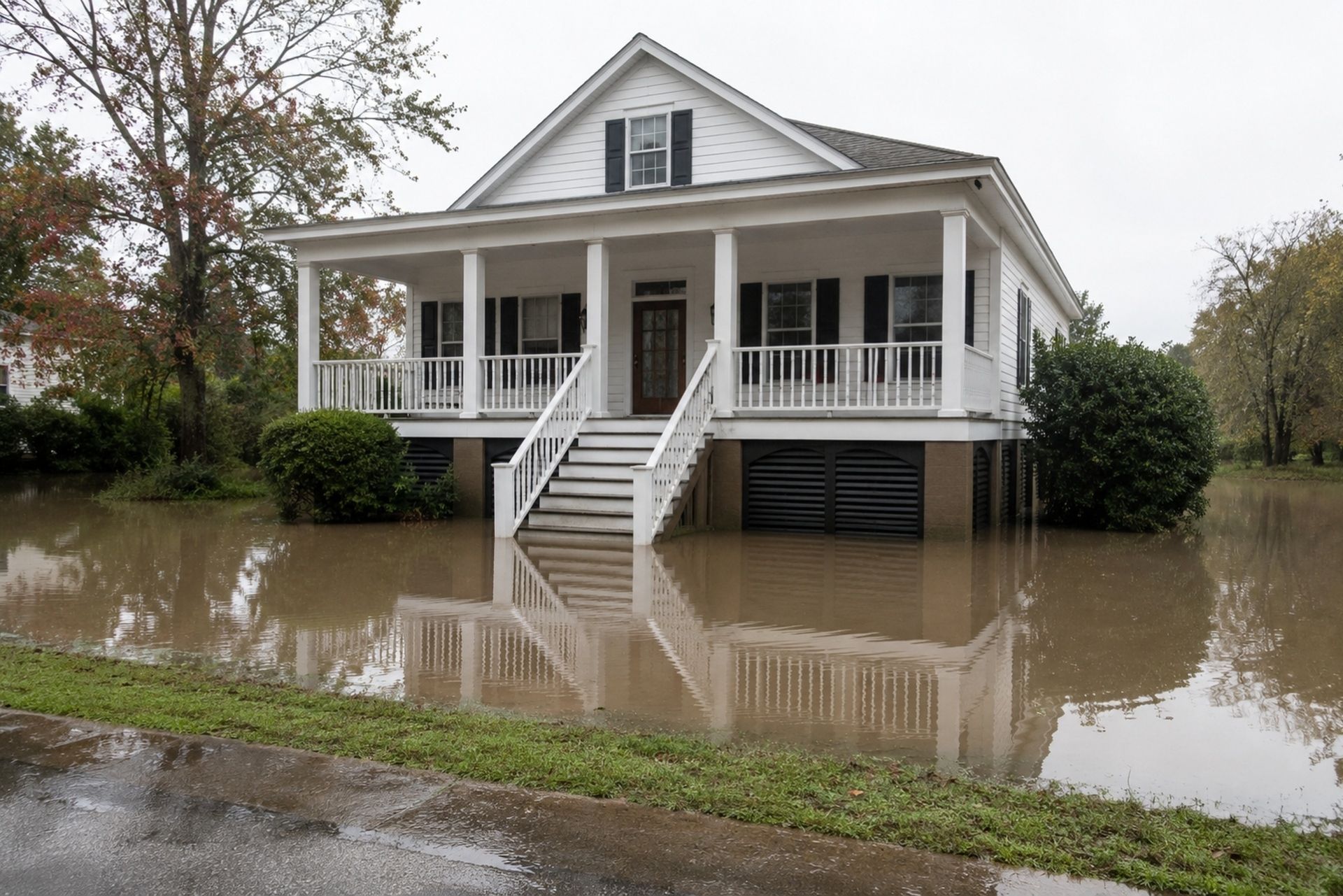
Your flood insurance premium isn't pulled from thin air. FEMA's Risk Rating 2.0 methodology, which replaced the older zone-based system, now considers multiple property-specific variables to calculate your rate.
Key factors include:
- Distance to the nearest water source (ocean, river, lake)
- Your property's elevation relative to the flood plain
- The type of flooding your area faces (storm surge, river overflow, heavy rainfall)
- Your home's age, construction type, and foundation style
- The amount of coverage you select
- Your prior flood claims history
The result is that two homes on the same street can have very different premiums. South Carolina's statewide flood insurance costs reflect this variability, with some homeowners paying under $300 and others paying well over $2,000.
Elevation and Proximity to the Coast
Elevation is the single biggest factor in your premium calculation. A home sitting three feet above the base flood elevation will pay dramatically less than an identical home sitting one foot below it. Coastal properties face additional exposure from storm surge, which FEMA models separately from rainfall flooding.
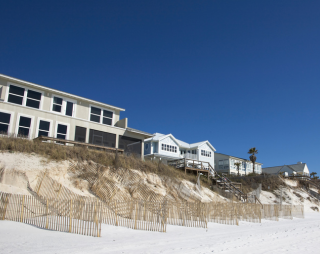
Beachfront properties in areas like Myrtle Beach and Hilton Head have seen significant premium increases under Risk Rating 2.0. Some oceanfront homes now carry annual flood premiums exceeding $5,000. If you're buying coastal property, factor flood insurance into your total cost of ownership before you close.
Ways to Lower Your Annual Rate
You're not stuck with whatever quote you get. Several strategies can bring your premium down:
- Get an Elevation Certificate: if your home sits higher than FEMA's estimates, an updated certificate can lower your rate.
- Raise your deductible: moving from a $1,000 to a $5,000 deductible reduces your annual premium.
- Elevate mechanical systems: moving your HVAC, water heater, and electrical panel above the base flood elevation reduces risk and cost.
- Check your community's CRS rating: many SC communities participate in FEMA's Community Rating System, which earns residents discounts of 5% to 45% on NFIP premiums.
- Shop private carriers: get quotes from at least two or three private insurers alongside the NFIP.
Even small changes, like installing flood vents in your crawl space, can make a measurable difference in your annual cost.
Common Questions About SC Flood Insurance
Do I have to buy flood insurance in South Carolina?
If you have a federally backed mortgage and your property is in a high-risk flood zone (A or V zones), yes, it's required. If you're in a moderate or low-risk zone, it's not mandatory but strongly recommended. Properties throughout South Carolina face meaningful flood exposure regardless of their zone designation.
How long is the waiting period before coverage starts?
NFIP policies have a standard 30-day waiting period from the date of purchase. Private flood policies sometimes have shorter waiting periods, typically 10 to 15 days. If you're closing on a home purchase, the waiting period is waived for the initial policy tied to that transaction.
Does flood insurance cover mold damage?
Only if the mold is a direct result of the flood event and you take reasonable steps to prevent its spread. If mold develops because you delayed cleanup for weeks, the insurer can deny that portion of the claim. Document everything and start mitigation immediately.
What is the average cost of a policy in SC?
The statewide average sits around $707 per year, but this number varies widely. Inland properties in low-risk zones might pay $300 to $500 annually, while coastal homes in high-risk areas can easily exceed $2,000 to $3,000.
Are basements covered by these policies?
NFIP coverage for basements is limited. It covers structural elements like foundation walls and essential equipment (furnace, water heater) located in the basement, but it won't cover finished walls, floors, or personal belongings stored below ground level. Private policies may offer broader basement coverage, so ask your agent specifically about this.
Making the Right Choice for Your Property
Flood insurance in South Carolina isn't optional in any practical sense, even if your lender doesn't require it. The financial devastation of an uninsured flood loss can take years to recover from, and the premiums for moderate-risk properties are often less than your monthly streaming subscriptions combined.
Start by checking your flood zone on FEMA's map, then get quotes from both the NFIP and at least two private carriers. Compare not just price but coverage limits, waiting periods, and whether contents are covered at replacement cost. An independent insurance agent who specializes in flood coverage can walk you through the differences and help you avoid common gaps.
Your home is likely your largest financial asset. Protecting it from flood damage with the right policy, at the right price, is one of the smartest decisions you can make as a South Carolina property owner. Reach out to a local agent today to get a personalized quote and make sure you're covered before the next storm season arrives.
About The Author:
David Ashton
As Owner and Agent at Southern Insured, I’m passionate about helping families and businesses in South Carolina find coverage that truly fits their needs. With a background in accounting and years of experience as an independent agent, I value the freedom to recommend what’s best for each client. I enjoy spending time with my wife and children, volunteering at my church, and exploring everything the Upstate has to offer.








Personal Insurance Solutions to Protect Your Self & Family
MANAGE YOUR PERSONAL RISK






We love our clients

Sarah Gibbs
Commercial Insurance Client

Couldn't be happier! If you're looking for home insurance. look no further, The Southern Insurance Group is a great place to get insurance. They really go above and beyond helping you find the best bang for your buck. We own a rental business and a construction company, First Choice Constructors, and Rachel did a great job helping our company find exactly what we needed. Even when her phone was broken, Rachel sent texts and emails communicating clearly and efficiently. She's a true gem to The Southern Insurance Group. It's a pleasure doing business with them.

Mark H.
Personal Insurance Client
Peyton was a much needed change from my last agent who didn’t serve me very well. Peyton is a breath of fresh air. I have all my business insurances through him and loved that he made it much easier than I expected! Definitely recommend!

Cristal N.
Personal Insurance Client
Rachel was very helpful, answered all our questions, talked to the salesman we were buying the car from, and had everything ready to go for a totally new policy within an hour.
The next day we had our older car added to the policy as well, it was quick, easy and friendly. We will be doing all our future car insurance needs through Rachel.

Sabrina C.
Commercial Insurance Client
David Mosely was so helpful! He walked me through my policy and my options and truly could not have been more helpful. I don't know anyone else who would say they enjoyed their experiences trying to find insurance, but with his help I not only got insured, but learned about exactly what I am paying for.

Alex
Personal Insurance Client
Rachel at Southern Insurance Group is great. She is super helpful and nice. This is my go to place for commercial truck insurance in Greenville, SC.

Stephanie M.
Personal Insurance Client
Working with David was amazing! He explained different coverage options and what they all meant which allowed us to make informed decisions based on our needs. His knowledge around insurance is phenomenal and he’s a fun person to talk to. I highly recommend!!
Commercial Insurance Solutions to Protect Your Business
THE BEST INSURANCE COVERAGE FOR YOUR BUSINESS






Industries We Serve
WE PROTECT THESE BUSINESS IN SOUTH CAROLINA, NORTH CAROLINA, & GEORGIA
Contractors
Covers liability, property damage, and worker's compensation for contractors.
Restaurants
Protects against property damage, liability, and business interruption for restaurants.
Real Estate Investors
Safeguards investment properties from damages, liability, and income loss.
Insurance News and Insights
BLOG UPDATES



Support, answer and help, get in touch
Address office
5 Century Dr #130, Greenville, SC 29607
1901 Main Street, Floor 18
Columbia, SC 29201
Mailing Address
PO Box 202 Greenville, SC 29602
Greenville, SC
864-626-6181