Primary and Noncontributory Endorsements in South Carolina
See How We're Different
or call us: 864-626-6181
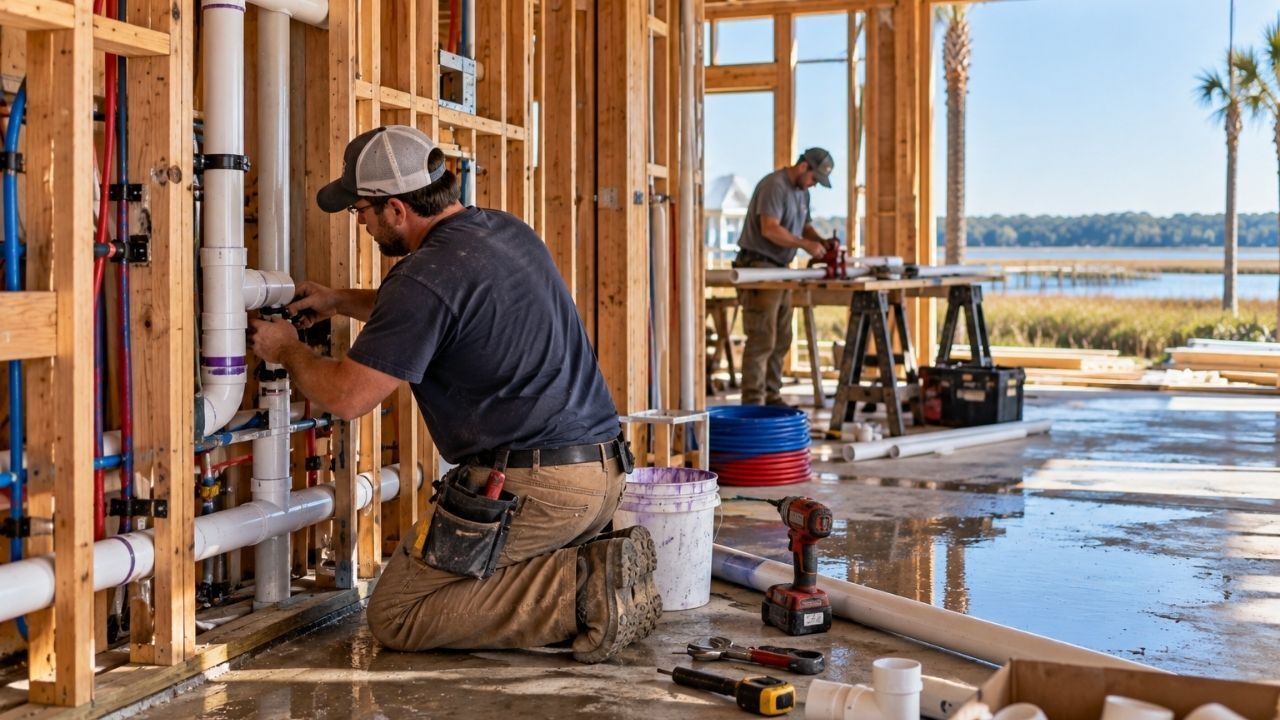
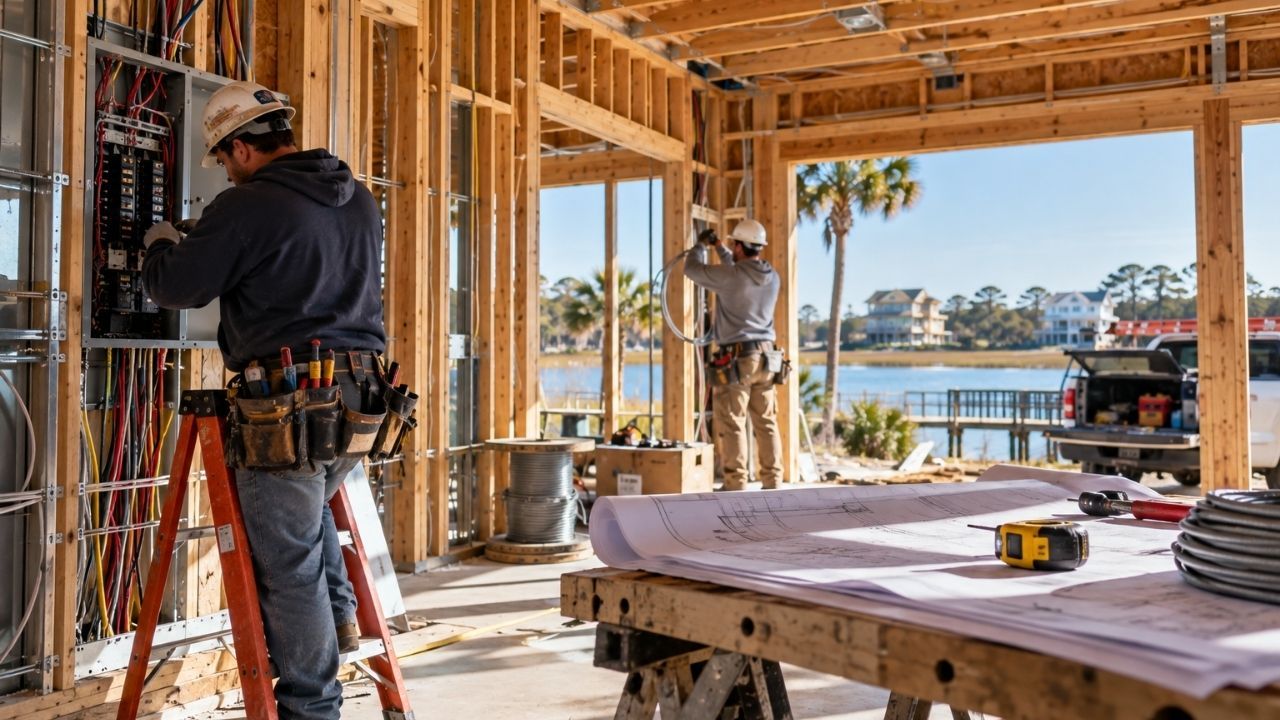
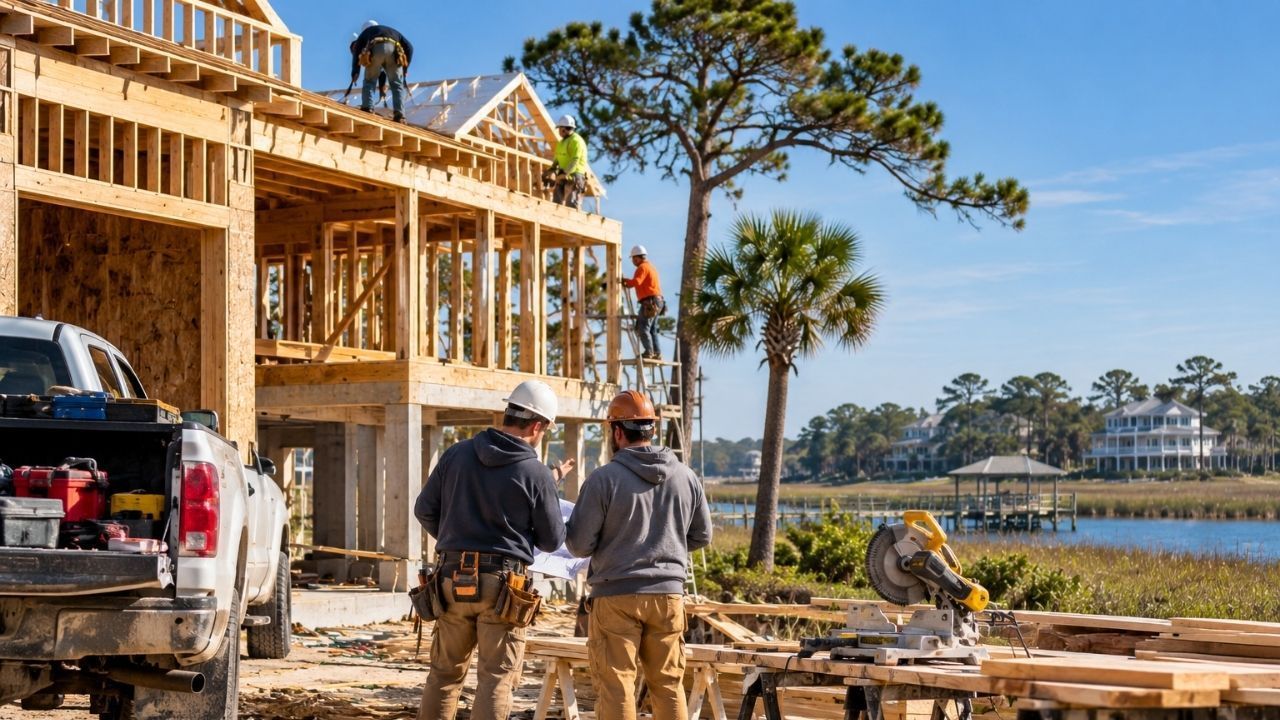
A general contractor in Charleston gets a call from a project owner's risk manager: "We need your certificate showing primary and noncontributory status before your crew sets foot on site." If that request sounds familiar, you're not alone. With construction starts in South Carolina surging 26% in 2024 and sustained demand carrying into 2026, more contractors than ever are fielding these endorsement requirements. Understanding how primary and noncontributory endorsements work under South Carolina law, how they interact with additional insured provisions, and where coverage gaps hide can mean the difference between a smooth project and a drawn-out claims dispute. This guide breaks down contract requirements, certificates of insurance, and the claims process so you can protect your business and keep projects moving.
Understanding Primary and Noncontributory Language in SC
Primary and noncontributory language is a specific insurance endorsement that changes how two or more policies interact after a loss. Without it, insurers on both sides of a claim often argue about who pays first and how much each policy contributes. The endorsement eliminates that argument by establishing a clear payment hierarchy.
For South Carolina contractors, this endorsement typically appears in commercial general liability (CGL) policies. It's triggered when a written contract requires one party's insurance to respond ahead of another's. You'll see it referenced on certificates of insurance, but the certificate itself doesn't create the coverage. The actual endorsement on the policy does.
The Role of the Primary Endorsement
The "primary" piece means your policy responds first to a covered claim, even if the party you've named as an additional insured has its own insurance. Your insurer pays from dollar one up to your policy limits before the additional insured's carrier is asked to contribute anything.
Think of it this way: if a subcontractor's employee is injured on a job site and the general contractor is named in the suit, the subcontractor's CGL policy steps up first. The GC's own policy sits in reserve. This protects the GC's loss history and keeps their premiums from spiking due to claims they didn't directly cause.
Defining the Noncontributory Component
The "noncontributory" part takes it a step further. It means the additional insured's own policy won't be required to share in the loss at all, not even on a pro-rata or equal-share basis. Your policy absorbs the full cost of defense and indemnity up to its limits.
Without this language, two insurers might split the claim 50/50 or fight over contribution percentages. That dispute can lead to general contractors withholding payment from subcontractors until the endorsement is verified, creating cash flow problems that ripple through the entire project.
Why South Carolina Contractors Require This Endorsement
The construction industry in South Carolina runs on contracts, and those contracts almost universally demand specific insurance provisions. Primary and noncontributory endorsements aren't optional extras. They're table stakes for getting hired on commercial and residential projects alike.
Contractual Compliance in Construction
Most standard AIA and ConsensusDocs agreements include insurance specifications requiring subcontractors to carry primary and noncontributory coverage naming the project owner and GC as additional insureds. If you can't provide the endorsement, you don't get the contract. It's that simple.
Project owners and their lenders want assurance that a subcontractor's policy will respond first. This requirement flows downhill: the owner requires it of the GC, the GC requires it of first-tier subs, and those subs require it of their own specialty contractors. Missing this endorsement at any tier creates a gap that can delay project starts or halt work mid-stream.
Protecting the Upper-Tier Contractor's Loss History
Beyond contract compliance, there's a practical financial reason. Every claim that hits a GC's policy increases their experience modification rate and can push premiums higher at renewal. By requiring subs to carry primary and noncontributory coverage, the GC ensures that claims arising from a sub's work don't touch the GC's loss runs.
This matters more than ever in South Carolina's busy construction market. Carriers are watching loss ratios closely, and a single significant insurance claim or "shock loss" within a five-year window can trigger a premium increase of 15% to 30% for South Carolina contractors (https://www.doereninsurance.com/how-much-does-business-insurance-cost-in-michigan-in-2026). Keeping your loss history clean is one of the most effective ways to control long-term insurance costs.
Comparison: Standard Additional Insured vs. Primary and Noncontributory
Many contractors assume that being named as an additional insured is enough. It's not. A standard additional insured endorsement gives the named party coverage under your policy, but it doesn't specify whether your policy or theirs pays first.
The distinction matters most during claims. With a standard additional insured endorsement, both insurers may argue that the other should contribute. This creates delays in defense and settlement. A primary and noncontributory endorsement removes that ambiguity entirely.
Coverage Priority Table
| Feature | Standard Additional Insured | Additional Insured with Primary & Noncontributory |
|---|---|---|
| Coverage for named party | Yes | Yes |
| Your policy pays first | Not guaranteed | Yes, always |
| Other party's insurer contributes | Possibly, on pro-rata or equal share | No contribution required |
| Claims disputes between carriers | Common | Rare |
| Contract compliance for most GCs | Often insufficient | Meets standard requirements |
| Impact on additional insured's loss history | Potential negative impact | No impact |
| Typical added cost to policyholder | Minimal | Modest, usually $50 to $200 (https://www.doereninsurance.com/how-much-does-business-insurance-cost-in-michigan-in-2026) |
The cost difference between these two endorsements is small, but the protection gap is significant. If you're already paying for additional insured coverage, adding primary and noncontributory language is one of the most cost-effective upgrades you can make.
Legal and Regulatory Nuances in South Carolina
South Carolina has its own set of rules that affect how these endorsements play out in practice. Contractors who work across state lines need to understand that what works in North Carolina or Georgia may not apply the same way here.
South Carolina Anti-Indemnity Statutes
South Carolina's anti-indemnity statute (S.C. Code Ann. § 32-2-10) limits the extent to which one party can shift liability to another through contract language. Broadly, a construction contract can't require a subcontractor to indemnify a GC for the GC's own negligence. This means your primary and noncontributory endorsement covers claims arising from your work, but it won't protect the additional insured from their own negligent acts.
Here's what that means for you: if a GC's own employee causes an injury and tries to push the claim onto your policy through the additional insured endorsement, South Carolina law may prevent that transfer. The endorsement works within the boundaries the statute allows, which is why contract language and insurance provisions need to be reviewed together, not in isolation.
A major shift took effect on July 1, 2026. South Carolina now limits joint and several liability so that a defendant is only jointly and severally liable if found more than 50% at fault. For contractors, this changes how fault is allocated in multi-party construction claims and makes the interplay between indemnity agreements and insurance endorsements even more important to get right.
Impact on General Liability Premiums
Carrying a primary and noncontributory endorsement does affect your premium, but typically not as much as contractors fear. Most carriers build the cost into the additional insured endorsement or charge a nominal fee. The real premium impact comes from claims, not endorsements.
One thing to keep in mind: South Carolina courts have reinforced a "continuous trigger" approach for progressive property damage, which allows claimants to potentially stack coverage across multiple policy years. This means a single construction defect claim could trigger several years of your policies. That exposure is a bigger premium driver than any endorsement fee.
Coastal contractors face an additional wrinkle. Standard market insurers frequently exclude wind and hail coverage within 50 miles of the South Carolina coast, requiring separate coverage through the SC Wind Pool. If your project is near the coast, make sure your primary and noncontributory endorsement coordinates with any wind/hail exclusions so there's no gap in the coverage you're promising to your GC.
Common Questions About SC Insurance Endorsements
Does a certificate of insurance prove I have primary and noncontributory coverage? No. A certificate is informational only. It shows what coverage exists but doesn't create or modify coverage. The actual endorsement on your policy is what matters. Always ask your agent to confirm the endorsement is attached to your policy, not just referenced on the certificate.
Can my insurer refuse to add this endorsement? Yes. Some carriers won't offer it, or they'll only add it if your contract specifically requires it. If your current insurer won't provide it, you may need to shop for a carrier that will. This is common with smaller or specialty insurers.
Does primary and noncontributory coverage increase my deductible? Typically, no. The endorsement changes the order of payment between policies but doesn't alter your deductible structure. Your deductible remains the same regardless of whether the endorsement is active.
What happens if I don't have this endorsement and a claim occurs? Both your insurer and the GC's insurer will argue over who pays. This contribution dispute can delay claim resolution for months. The GC may also withhold your final payment or refuse to hire you for future work.
Is this endorsement required by South Carolina law? No state law mandates it. It's a contractual requirement. That said, it's so widely required in construction contracts that operating without it effectively locks you out of most commercial projects.
How do I verify the endorsement is actually on my policy? Ask your agent for a copy of the endorsement form, usually ISO form CG 20 01 combined with CG 20 37 or a similar manuscript endorsement. Read the actual policy language rather than relying on the certificate alone.
Making the Right Choice for Your Business
Getting contractor insurance right in South Carolina means more than checking a box on a certificate. Primary and noncontributory endorsements are a fundamental part of how risk flows through the construction chain, and understanding them gives you a real advantage in contract negotiations.
Start by reviewing your current CGL policy. Confirm that the endorsement is actually attached, not just referenced. Talk to your agent about how it interacts with South Carolina's anti-indemnity statute and the new joint and several liability threshold. If you're working coastal projects, verify that wind and hail exclusions don't create gaps in the coverage you're promising upstream.
The contractors who win repeat work aren't just the ones who build well. They're the ones who show up with clean certificates, proper endorsements, and an understanding of what they're agreeing to. That's the kind of professionalism that keeps GCs calling you back. Talk to a South Carolina-licensed insurance agent who specializes in construction risk, and get your endorsements squared away before your next bid goes out.

Recent posts