South Carolina Condo Insurance

9:00am - 5:00pm Mon-Fri
Will Reply in 15min*
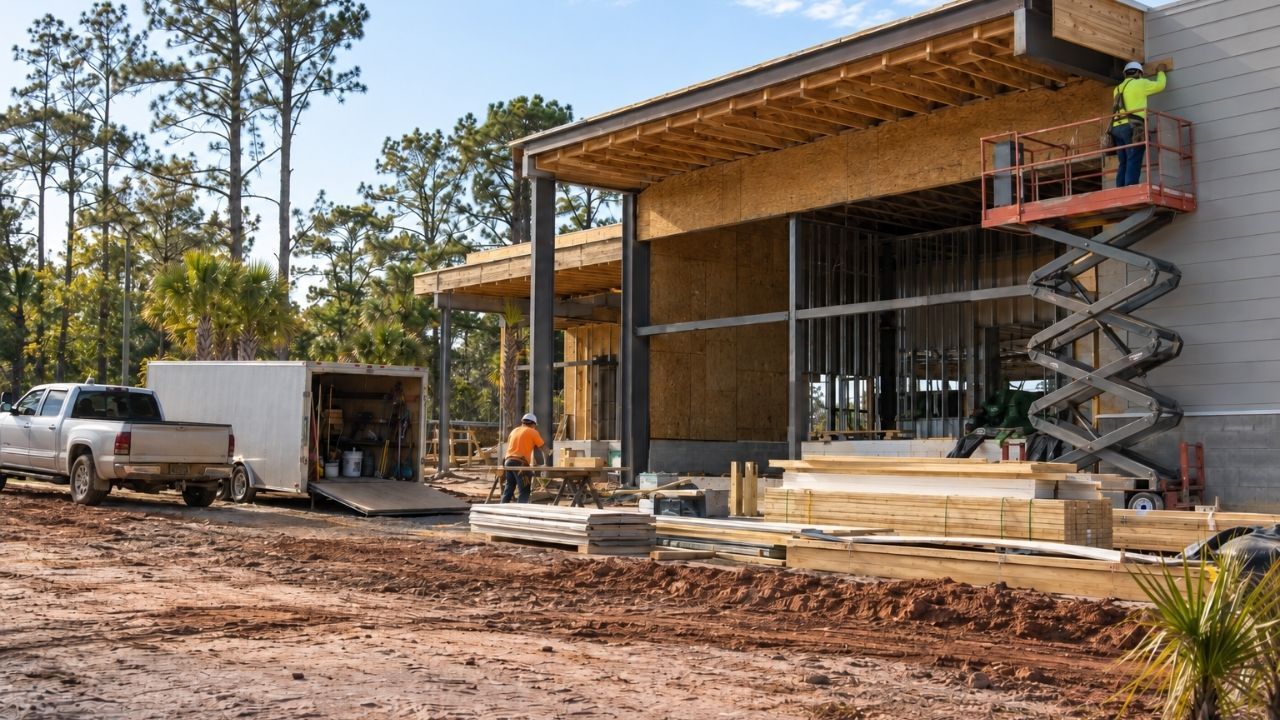
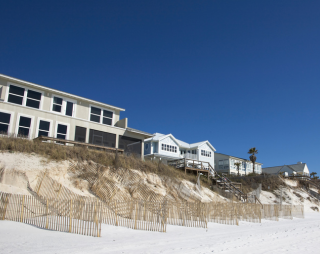
Owning a condo in South Carolina comes with perks that are hard to beat: beach access, mild winters, and a lifestyle that blends relaxation with community living. But the same coastal charm that draws buyers also introduces weather risks that make insurance planning a serious consideration. Whether your unit sits on the Grand Strand, in downtown Charleston, or along the Hilton Head shore, understanding your condo insurance cost and coverage options is essential before a storm season catches you off guard.
The average SC condo owner pays somewhere between $700 and $1,800 annually for an HO-6 policy, though coastal units can push well past $2,500 once wind and hail endorsements are factored in. Those numbers vary widely based on location, building age, and the type of master policy your association carries. Getting the right coverage isn't just about meeting your lender's requirements. It's about protecting the interior of your unit, your belongings, and your financial exposure to shared building losses. Here's what you need to know to make a confident decision.
Understanding Condo Insurance in South Carolina
Condo insurance works differently than a standard homeowners policy because you're sharing a building with other owners. Your condo association carries a master policy that covers common areas and, depending on its structure, portions of the building itself. Your individual HO-6 policy picks up where the master policy stops, covering your unit's interior, personal property, and liability. The trick is understanding exactly where that handoff happens.
HO-6 Policies vs. Master Policies
Your association's master policy is the foundation. It typically covers the building's exterior, roof, hallways, elevators, and amenities like pools or fitness centers. Your HO-6 policy, by contrast, is your personal condo insurance. It covers everything inside your unit's walls, your belongings, and your personal liability if someone is injured in your home.
Here's the catch: the master policy's scope directly affects how much HO-6 coverage you need. If the master policy is bare-bones, you'll need more dwelling coverage on your individual policy. Always request a copy of your association's master policy declarations page before purchasing your HO-6. This document tells you exactly what the association covers and, more importantly, what it doesn't.
Walls-In vs. All-In Coverage
Master policies generally fall into two categories. A "bare walls-in" policy covers only the building's structure, meaning you're responsible for drywall, flooring, cabinets, fixtures, and appliances inside your unit. An "all-in" policy covers the unit as it was originally built, including standard fixtures and finishes.
The distinction matters financially. If your association carries a bare walls-in policy, rebuilding your unit's interior after a fire or major water event could cost $30,000 to $80,000 or more depending on the unit's size and finishes. Your HO-6 dwelling coverage (Coverage A) needs to reflect that reality. With an all-in master policy, you may only need enough dwelling coverage for upgrades and improvements you've made since purchase.

By: David Ashton
Owner and Agent at Southern Insured
Essential Coverage Types for SC Condo Owners
A solid HO-6 policy bundles several types of protection into one package. Each piece serves a distinct purpose, and skipping any of them can leave a costly gap.
Personal Property and Dwelling Improvements
Coverage C (personal property) protects your furniture, electronics, clothing, and other belongings against covered perils like fire, theft, and certain water damage. Most SC condo owners carry between $30,000 and $75,000 in personal property coverage, though high-value items like jewelry or art may need scheduled endorsements.
Coverage A (dwelling/improvements) pays to repair or replace upgrades you've made to the unit: custom cabinetry, hardwood floors, granite countertops, or a renovated bathroom. If you bought a unit and invested $40,000 in kitchen and bathroom upgrades, your Coverage A limit should reflect that investment. One common mistake is setting this limit too low because the owner assumes the master policy covers built-in features. It often doesn't.
Loss Assessment Coverage for Shared Spaces
This is a coverage type many condo owners overlook until they need it. If a covered event damages common areas and the association's master policy doesn't fully cover the repair costs, the board can assess each unit owner for a share of the shortfall. Loss assessment coverage on your HO-6 policy pays your portion of that bill.
Standard policies often include just $1,000 in loss assessment coverage. In a state where hurricanes can cause millions in shared building damage, that's rarely enough. Bumping this limit to $25,000 or $50,000 typically costs only a few dollars per month and can save you from a five-figure surprise assessment. The 2026 condo rule changes are also tightening reserve and insurance requirements for associations, which makes understanding your exposure even more relevant.
Personal Liability and Medical Payments
Coverage E (personal liability) protects you if someone is injured in your unit or if you accidentally damage someone else's property. A guest slips on your wet bathroom floor, or your washing machine leaks into the unit below. Standard limits start at $100,000, but carrying $300,000 is a smarter baseline given litigation costs in 2026.
Coverage F (medical payments to others) covers minor injury expenses for guests regardless of fault, typically up to $1,000 or $5,000. It's designed to handle small claims before they become lawsuits.
Comparing Coverage: Standard vs. Coastal Add-ons
Not all HO-6 policies are built the same, and South Carolina's coastal exposure means you'll likely need endorsements that inland owners can skip. Here's how standard and coastal-enhanced policies compare:
| Coverage Feature | Standard HO-6 | Coastal Enhanced HO-6 |
|---|---|---|
| Wind/Hail Coverage | Included in base policy | Often excluded; requires separate windstorm policy or endorsement |
| Flood Coverage | Not included | Not included; requires separate NFIP or private flood policy |
| Named Storm Deductible | Flat dollar deductible | Percentage-based (2%-5% of dwelling coverage) |
| Loss Assessment | $1,000 default | Should be increased to $25,000-$50,000 |
| Ordinance/Law Coverage | Often excluded | Recommended add-on for older coastal buildings |
| Water Backup | Optional endorsement | Optional but highly recommended |
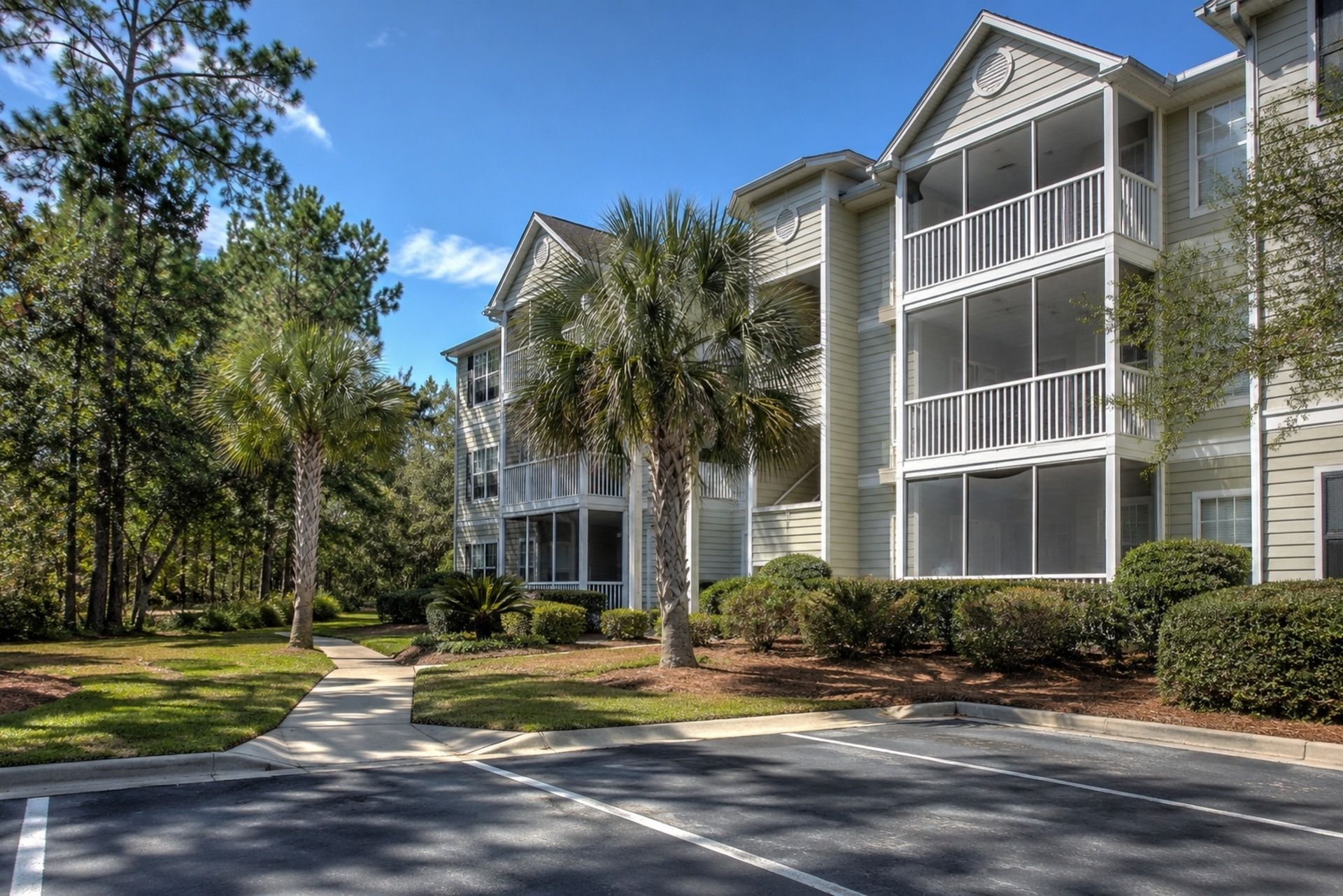
If your condo is within a few miles of the coast, you'll almost certainly need a separate wind and hail policy through the SC Wind and Hail Underwriting Association or a private carrier. Flood insurance is a separate purchase entirely, required by most lenders for units in FEMA-designated flood zones.
Your annual premium isn't pulled from thin air. Several concrete factors determine what you'll pay, and understanding them gives you room to adjust your costs.
Coastal Risks and Wind/Hail Deductibles
Location is the single biggest driver. A condo in Columbia might cost $600 to $900 per year to insure, while a comparable beachfront unit in Myrtle Beach could run $2,000 to $3,500 with wind coverage included. Coastal counties carry higher risk profiles due to hurricane exposure, and insurers price accordingly.
Wind and hail deductibles in coastal areas are usually percentage-based rather than flat dollar amounts. A 2% hurricane deductible on a unit with $200,000 in coverage means you'd pay the first $4,000 out of pocket before the policy kicks in. That's a meaningful difference from a standard $1,000 deductible. South Carolina lawmakers are aware of the affordability pressure. Bill H.4817 proposes increasing the maximum income tax credit for excess insurance premiums from $1,250 to $3,000, which could offer some relief to coastal property owners paying elevated rates.
Building Age and Construction Materials
Older buildings generally cost more to insure. A condo built in the 1970s or 1980s may have outdated electrical wiring, aging plumbing, and construction materials that don't meet current building codes. Insurers see these as higher-risk factors for fire, water damage, and storm damage claims.
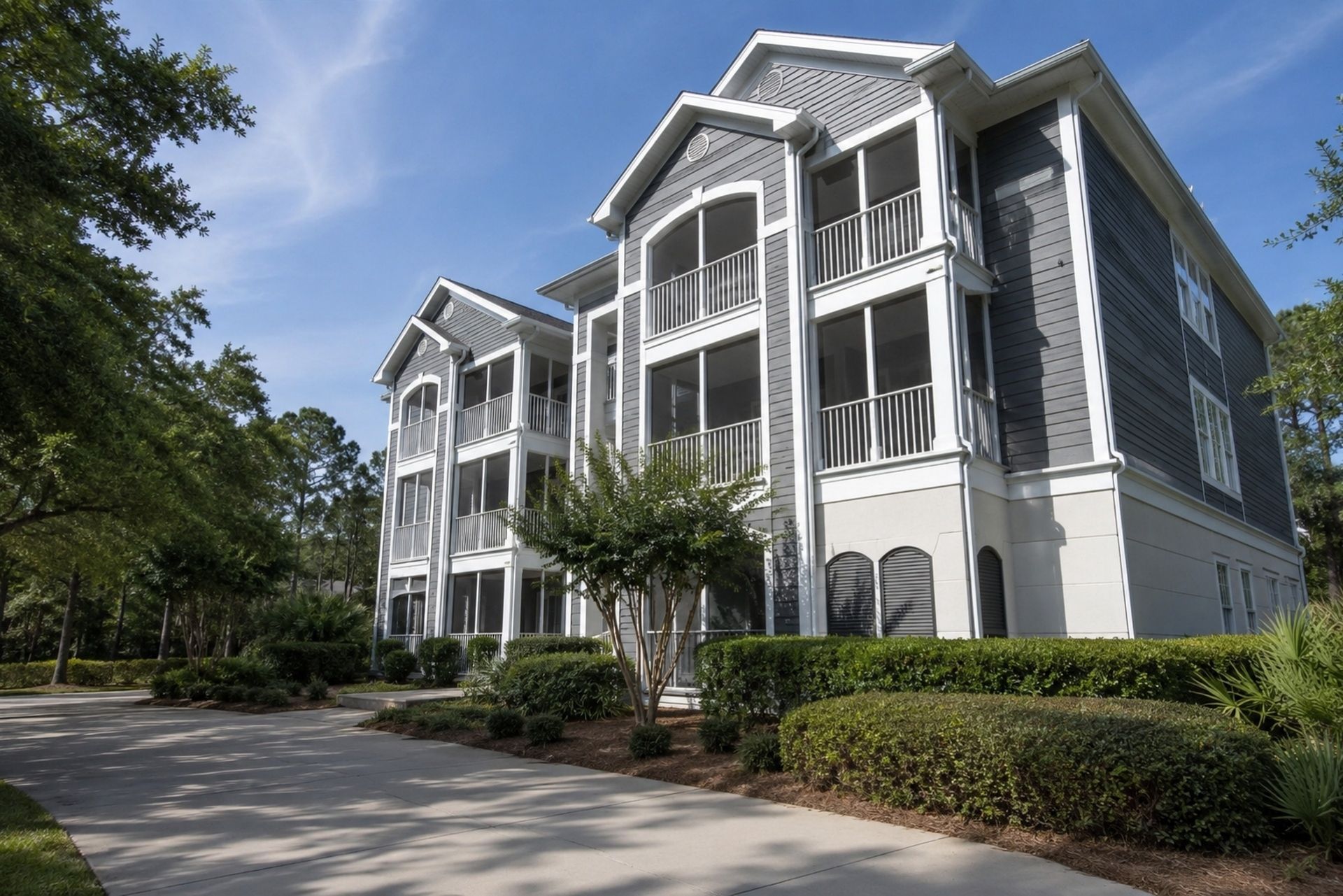
Concrete and steel-frame buildings tend to receive lower premiums than wood-frame structures because they're more resistant to wind and fire. If your building has been retrofitted with hurricane straps, impact-resistant windows, or a newer roof, those improvements can reduce your premium. Ask your agent whether your association has documented any of these upgrades, as they can sometimes qualify for discounts that aren't automatically applied. The
SC Policy Council has tracked legislative updates related to property insurance reform that could affect premium calculations for condo owners in the coming years.
Common Questions About SC Condo Insurance
Do I need condo insurance if my association already has a master policy? Yes. The master policy covers common areas and possibly the building structure, but it won't protect your personal belongings, interior upgrades, or personal liability. Your HO-6 policy fills those gaps.
Does condo insurance cover flood damage? No. Standard HO-6 policies exclude flood damage. You'll need a separate flood policy through the NFIP or a private flood insurer, especially if your unit is in a coastal or low-lying area.
How much personal property coverage do I need? Do a quick home inventory. Add up the replacement cost of your furniture, electronics, clothing, and kitchen items. Most SC condo owners land between $30,000 and $75,000, but your number depends on what you own.
What's the difference between actual cash value and replacement cost? Actual cash value pays what your item is worth today after depreciation. Replacement cost pays what it costs to buy a new equivalent item. Replacement cost policies cost slightly more but provide significantly better payouts at claim time.
Can I lower my premium without dropping coverage? You can. Raising your deductible from $500 to $1,000 or $2,500 often reduces premiums by 10% to 25%. Bundling your condo policy with auto insurance, installing security systems, and maintaining a claims-free history also help. Proper condominium association insurance at the building level can also keep individual owner costs more predictable.
Is loss of use coverage included?
Most HO-6 policies include Coverage D (loss of use), which pays for temporary living expenses if your unit becomes uninhabitable due to a covered event. Check your policy for the specific limit, as it varies.
Making the Right Choice for Your Property
Choosing the right condo insurance in South Carolina comes down to three things: knowing what your master policy covers, understanding your personal exposure, and building a policy that closes the gaps without overpaying.
Start by getting your association's master policy declarations page. Match your HO-6 dwelling coverage to your actual interior rebuild cost, not just a round number. Increase your loss assessment limits beyond the default, especially if your building is in a coastal county. And don't forget separate wind/hail and flood policies if your location requires them.
The difference between a well-structured policy and a bare-minimum one often comes down to just $20 to $40 per month, but it can mean tens of thousands of dollars in protection when a claim hits. Review your policy annually, especially after renovations or major purchases that increase your personal property value.
If you're ready to compare options or need help understanding how your master policy affects your individual coverage, reach out to a local agent at Southern Insurance who specializes in SC condo coverage. Getting the details right now saves you from learning about coverage gaps the hard way.
About The Author:
David Ashton
As Owner and Agent at Southern Insured, I’m passionate about helping families and businesses in South Carolina find coverage that truly fits their needs. With a background in accounting and years of experience as an independent agent, I value the freedom to recommend what’s best for each client. I enjoy spending time with my wife and children, volunteering at my church, and exploring everything the Upstate has to offer.








Personal Insurance Solutions to Protect Your Self & Family
MANAGE YOUR PERSONAL RISK






We love our clients

Sarah Gibbs
Commercial Insurance Client

Couldn't be happier! If you're looking for home insurance. look no further, The Southern Insurance Group is a great place to get insurance. They really go above and beyond helping you find the best bang for your buck. We own a rental business and a construction company, First Choice Constructors, and Rachel did a great job helping our company find exactly what we needed. Even when her phone was broken, Rachel sent texts and emails communicating clearly and efficiently. She's a true gem to The Southern Insurance Group. It's a pleasure doing business with them.

Mark H.
Personal Insurance Client
Peyton was a much needed change from my last agent who didn’t serve me very well. Peyton is a breath of fresh air. I have all my business insurances through him and loved that he made it much easier than I expected! Definitely recommend!

Cristal N.
Personal Insurance Client
Rachel was very helpful, answered all our questions, talked to the salesman we were buying the car from, and had everything ready to go for a totally new policy within an hour.
The next day we had our older car added to the policy as well, it was quick, easy and friendly. We will be doing all our future car insurance needs through Rachel.

Sabrina C.
Commercial Insurance Client
David Mosely was so helpful! He walked me through my policy and my options and truly could not have been more helpful. I don't know anyone else who would say they enjoyed their experiences trying to find insurance, but with his help I not only got insured, but learned about exactly what I am paying for.

Alex
Personal Insurance Client
Rachel at Southern Insurance Group is great. She is super helpful and nice. This is my go to place for commercial truck insurance in Greenville, SC.

Stephanie M.
Personal Insurance Client
Working with David was amazing! He explained different coverage options and what they all meant which allowed us to make informed decisions based on our needs. His knowledge around insurance is phenomenal and he’s a fun person to talk to. I highly recommend!!
Commercial Insurance Solutions to Protect Your Business
THE BEST INSURANCE COVERAGE FOR YOUR BUSINESS






Industries We Serve
WE PROTECT THESE BUSINESS IN SOUTH CAROLINA, NORTH CAROLINA, & GEORGIA
Contractors
Covers liability, property damage, and worker's compensation for contractors.
Restaurants
Protects against property damage, liability, and business interruption for restaurants.
Real Estate Investors
Safeguards investment properties from damages, liability, and income loss.
Insurance News and Insights
BLOG UPDATES



Support, answer and help, get in touch
Address office
5 Century Dr #130, Greenville, SC 29607
1901 Main Street, Floor 18
Columbia, SC 29201
Mailing Address
PO Box 202 Greenville, SC 29602
Greenville, SC
864-626-6181