South Carolina Real Estate Investor Insurance

9:00am - 5:00pm Mon-Fri
Will Reply in 15min*
South Carolina's real estate market keeps drawing investors, and for good reason. Rental yields in cities like Charleston, Greenville, and Columbia remain competitive, and property values have steadily climbed over the past several years. But owning investment property here comes with risks that a standard homeowners policy simply won't cover. From hurricane exposure along the coast to older building stock in the Midlands, the insurance picture for SC real estate investors is more complicated than most people expect.
If you own rental property or flip homes in the Palmetto State, you need coverage designed for investors, not homeowners. Landlord insurance for non-owner-occupied properties in South Carolina typically runs between $1,400 and $2,600 per year, though that range shifts dramatically depending on location, property condition, and the coverage limits you select. Getting the right policy at the right price requires understanding what drives costs and what gaps could leave you exposed. This guide breaks down the cost factors, coverage types, and practical decisions that SC investors face in 2026.
Understanding Real Estate Investor Insurance in South Carolina
South Carolina presents a split personality for property insurance. The coast and the interior operate under very different risk profiles, and the type of policy you carry matters just as much as the limits you choose. Investors who treat all their properties the same way often end up overpaying in one market and underinsured in another.
Why Coastal and Inland Risk Profiles Differ
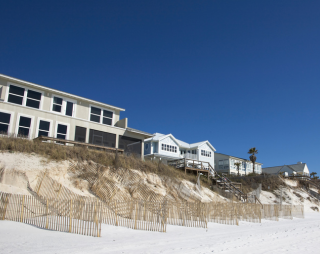
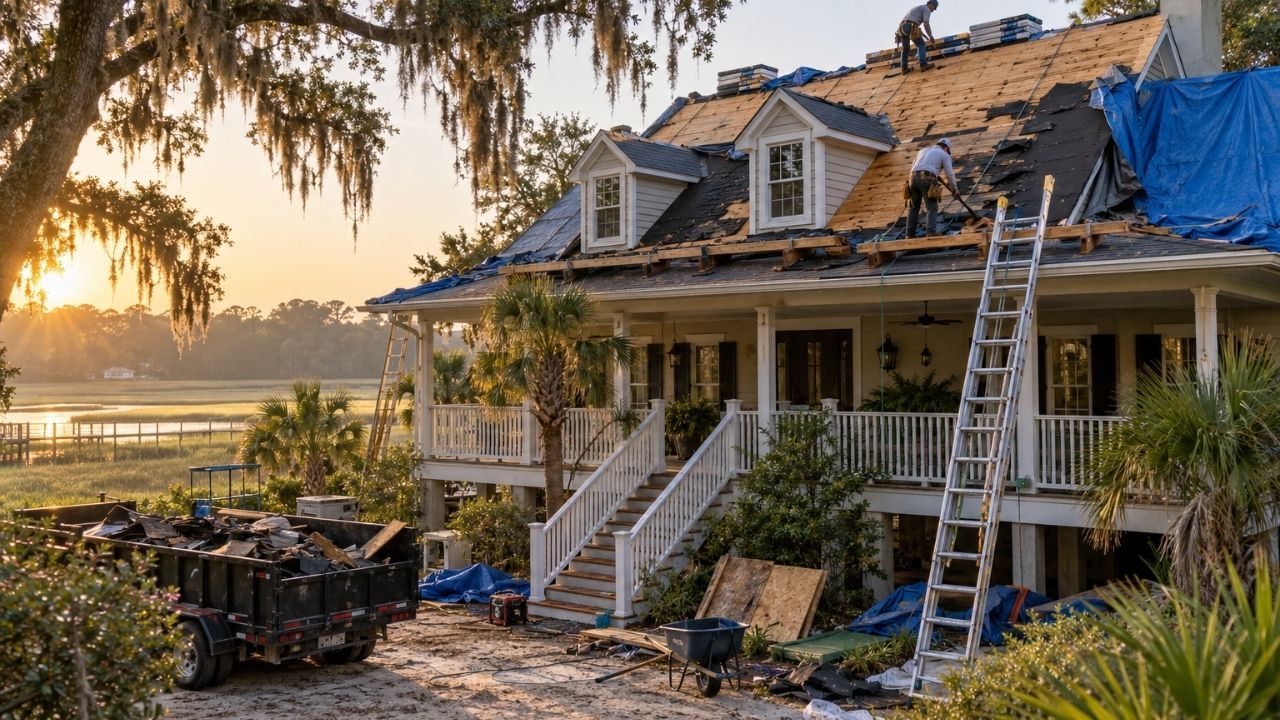
Properties within a few miles of the Atlantic face hurricane, wind, and flood exposure that inland properties simply don't. Insurers price this aggressively. A rental duplex in Mount Pleasant might carry a wind/hail deductible of 2-5% of the dwelling value, while a similar property in Spartanburg uses a flat dollar deductible. Flood insurance is often mandatory in coastal zones but optional inland, adding $800 to $2,000 or more annually to your carrying costs.
The catch is that inland properties aren't risk-free either. Hailstorms regularly hit the Upstate, and the Midlands see tornado activity. SC regulators have proposed credit property insurance rate adjustments for 2026 that could benefit some inland property owners, but coastal premiums remain stubbornly high.
The Difference Between Homeowners and DP-3 Policies
A standard HO-3 homeowners policy is designed for the person living in the home. It won't properly cover a rental property, and many carriers will deny claims if they discover you weren't occupying the dwelling. Investors need a DP-3 policy (Dwelling Property 3), which is specifically built for non-owner-occupied properties.
DP-3 policies cover the structure on an open-peril basis, meaning everything is covered unless specifically excluded. They also include
liability protection for tenant injuries and can be endorsed for loss of rental income. One thing to keep in mind: DP-3 policies typically don't cover a tenant's personal belongings, so your lease should require
renters insurance.

By: David Ashton
Owner and Agent at Southern Insured
Your premium isn't just a number pulled from a chart. It's a reflection of your property's specific risk profile, and several factors can push that number up or down significantly.
Property Age and Building Material Impacts
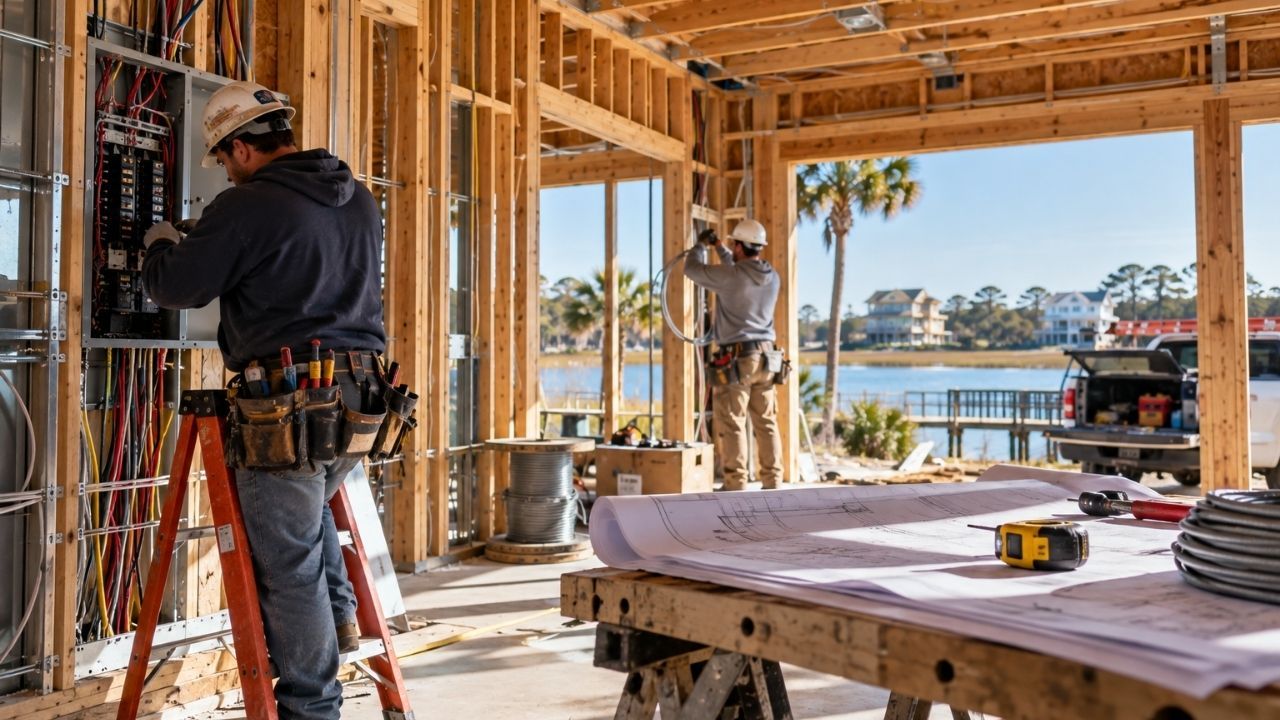
Older homes cost more to insure. A 1920s bungalow in Columbia's Shandon neighborhood might have knob-and-tube wiring, outdated plumbing, or a roof past its expected lifespan. Insurers see each of these as a claim waiting to happen. Updating electrical, plumbing, and roofing can reduce premiums by 10-20% on older investment properties.
Building materials matter too. Frame construction costs more to insure than masonry or brick veneer because it's more vulnerable to fire and wind damage. If you're acquiring properties, factoring in the insurance cost difference between a wood-frame triplex and a brick one can change your return calculations.
Local Market Trends and Replacement Cost Inflation
Replacement cost, not market value, drives your dwelling coverage amount. Construction costs in SC have risen roughly 15-20% since 2022, and that means your insurance premiums have likely increased even if you haven't filed a claim. Labor shortages in the trades and material costs keep pushing replacement estimates higher.
Here's what that means for you: if you haven't had your replacement cost estimate updated recently, you might be underinsured. A $200,000 dwelling limit set three years ago might need to be $230,000 or more today. Underinsurance triggers coinsurance penalties on claims, which can leave you covering a significant portion out of pocket.
Essential Coverage Types for SC Investors
Not all coverage is created equal, and investors need protections that typical homeowners never think about.
General Liability vs. Professional Liability
General liability covers bodily injury and property damage claims from third parties, like a tenant who slips on an icy walkway or a visitor injured by a broken railing. This is your front-line defense against lawsuits, and most investor policies include $100,000 to $1,000,000 in liability coverage.
Professional liability is different. It covers errors in your professional judgment, like failing to disclose a known defect during a sale or misrepresenting a property's condition. If you're flipping homes or managing properties for others, professional liability fills a gap that general liability won't touch. Many investors carry both through a comprehensive real estate investor insurance package.
Loss of Rental Income Protection
If a covered event, like a fire or storm, makes your rental property uninhabitable, loss of rental income coverage replaces the rent you would have collected during repairs. This is one of the most overlooked endorsements, and skipping it can wreck your cash flow for months.
Most policies cover 12 months of lost rent, though some cap it at a dollar amount. For a property generating $1,500 per month, that's up to $18,000 in protection. The cost to add this endorsement is typically $50 to $150 per year, making it one of the best values in any investor policy.
Comparing Coverage Tiers and Limits
Understanding what you're actually buying helps you avoid both overspending and dangerous gaps. Here's how common coverage tiers compare for a typical SC rental property:
| Coverage Feature | Basic DP-1 | Standard DP-2 | Broad DP-3 |
|---|---|---|---|
| Peril Coverage | Named perils only | Named perils (broader list) | Open peril (structure) |
| Dwelling Protection | Actual cash value | Replacement cost option | Replacement cost standard |
| Liability Included | No | Sometimes | Yes (typically $100K-$1M) |
| Loss of Rent | No | Optional add-on | Often included |
| Typical Annual Cost | $800-$1,400 | $1,200-$2,000 | $1,400-$2,600+ |
| Best For | Vacant/low-value properties | Budget-conscious landlords | Active rental investors |
The DP-1 is bare-bones and pays out on actual cash value, meaning depreciation reduces your claim payout. Most serious investors land on the DP-3 because the open-peril structure and replacement cost coverage justify the higher premium.
How Southern Insurance Helps SC Investors
Southern Insurance specializes in matching SC property investors with coverage that fits their portfolio, not a one-size-fits-all template. Whether you own a single rental in Myrtle Beach or a dozen properties spread across the state, working with agents who understand SC-specific risks makes a measurable difference.
Their team works with multiple carriers, which means they can shop your policy across regional and national insurers to find competitive rates. They also handle
high-value property insurance for investors with upscale rental portfolios in markets like Kiawah Island, Daniel Island, and downtown Charleston. Having a local agent who knows the difference between a Beaufort County wind pool policy and a standard inland policy saves you time and money.
Common Questions About SC Investment Insurance
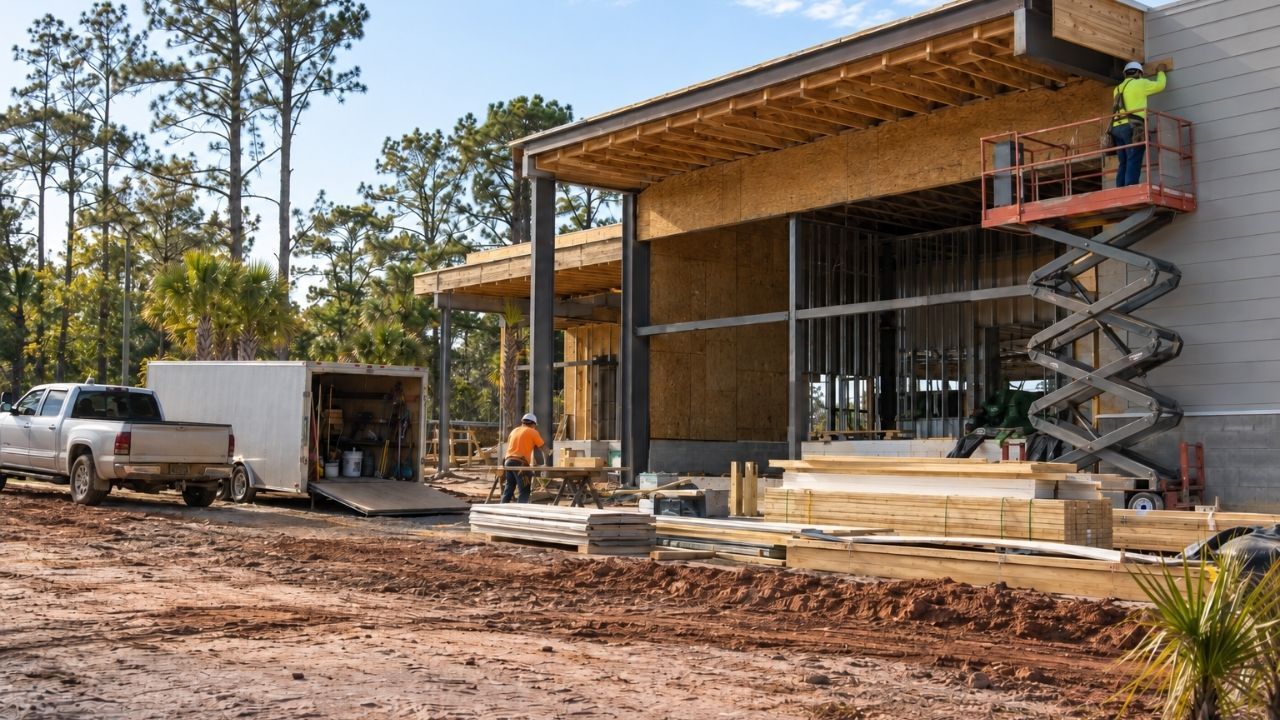
A few issues come up repeatedly with SC investors. Vacant properties, for example, are a common headache. Most standard landlord policies exclude coverage after a property sits vacant for 30-60 days. If you're between tenants or renovating a flip, you need a vacant property endorsement or a separate builder's risk policy.
Another frequent mistake: assuming your umbrella policy covers everything. An umbrella extends your liability limits, but it doesn't replace the underlying landlord policy. If your DP-3 lapses or has exclusions, the umbrella won't fill those gaps. You can see a
solid breakdown of investor-specific coverage needs that explains how these layers work together.
Frequently Asked Questions
Do I need separate insurance for each rental property? Yes. Each property needs its own DP-3 or landlord policy. Some carriers offer portfolio discounts if you insure multiple properties with them, which can reduce per-property costs by 5-15%.
Is flood insurance required for SC rental properties? Only if the property is in a FEMA-designated flood zone and has a federally backed mortgage. That said, flood damage is excluded from all standard landlord policies, so coastal investors should strongly consider it regardless.
Can I insure a property I'm renovating? Standard landlord policies won't cover active renovation projects. You'll need a builder's risk policy during the renovation period, then switch to a DP-3 once the property is tenant-ready.
How much liability coverage should a rental investor carry? Most agents recommend at least $300,000 per property, with a $1 million umbrella policy layered on top. The cost difference between $100K and $300K in liability coverage is often just $50-$100 per year.
Will my premium go down if I install storm shutters or a new roof? Usually, yes. Wind mitigation features like hurricane shutters, impact-resistant roofing, and reinforced garage doors can earn discounts of 5-25% on your wind premium, especially for coastal properties.
Does insurance cover tenant damage to my property?
No. Standard landlord policies cover damage from named perils like fire, wind, and vandalism by third parties, but intentional tenant damage isn't covered. Your security deposit and lease terms are your protection here.
Making the Right Choice for Your Portfolio
Getting insurance right as an SC real estate investor isn't about finding the cheapest policy. It's about matching your coverage to your actual risk exposure and making sure there aren't gaps that could wipe out years of rental income in a single claim. The difference between a $1,400 basic policy and a $2,200 broad-form DP-3 with loss of rent and adequate liability could be the difference between recovering from a disaster and selling at a loss.
Start by getting accurate replacement cost estimates for each property. Review your policies annually, especially as construction costs continue to shift. And work with an agent who specializes in SC investor insurance rather than a generalist who handles auto policies all day. South Carolina homeowners insurance rates have been volatile, and investor policies follow the same trends.
Southern Insurance can help you build a coverage strategy that protects your portfolio without overpaying. Reach out to their team to get a quote tailored to your specific properties and investment goals.
About The Author:
David Ashton
As Owner and Agent at Southern Insured, I’m passionate about helping families and businesses in South Carolina find coverage that truly fits their needs. With a background in accounting and years of experience as an independent agent, I value the freedom to recommend what’s best for each client. I enjoy spending time with my wife and children, volunteering at my church, and exploring everything the Upstate has to offer.






Personal Insurance Solutions to Protect Your Self & Family
MANAGE YOUR PERSONAL RISK






We love our clients

Sarah Gibbs
Commercial Insurance Client

Couldn't be happier! If you're looking for home insurance. look no further, The Southern Insurance Group is a great place to get insurance. They really go above and beyond helping you find the best bang for your buck. We own a rental business and a construction company, First Choice Constructors, and Rachel did a great job helping our company find exactly what we needed. Even when her phone was broken, Rachel sent texts and emails communicating clearly and efficiently. She's a true gem to The Southern Insurance Group. It's a pleasure doing business with them.

Mark H.
Personal Insurance Client
Peyton was a much needed change from my last agent who didn’t serve me very well. Peyton is a breath of fresh air. I have all my business insurances through him and loved that he made it much easier than I expected! Definitely recommend!

Cristal N.
Personal Insurance Client
Rachel was very helpful, answered all our questions, talked to the salesman we were buying the car from, and had everything ready to go for a totally new policy within an hour.
The next day we had our older car added to the policy as well, it was quick, easy and friendly. We will be doing all our future car insurance needs through Rachel.

Sabrina C.
Commercial Insurance Client
David Mosely was so helpful! He walked me through my policy and my options and truly could not have been more helpful. I don't know anyone else who would say they enjoyed their experiences trying to find insurance, but with his help I not only got insured, but learned about exactly what I am paying for.

Alex
Personal Insurance Client
Rachel at Southern Insurance Group is great. She is super helpful and nice. This is my go to place for commercial truck insurance in Greenville, SC.

Stephanie M.
Personal Insurance Client
Working with David was amazing! He explained different coverage options and what they all meant which allowed us to make informed decisions based on our needs. His knowledge around insurance is phenomenal and he’s a fun person to talk to. I highly recommend!!
Commercial Insurance Solutions to Protect Your Business
THE BEST INSURANCE COVERAGE FOR YOUR BUSINESS






Industries We Serve
WE PROTECT THESE BUSINESS IN SOUTH CAROLINA, NORTH CAROLINA, & GEORGIA
Contractors
Covers liability, property damage, and worker's compensation for contractors.
Restaurants
Protects against property damage, liability, and business interruption for restaurants.
Real Estate Investors
Safeguards investment properties from damages, liability, and income loss.
Insurance News and Insights
BLOG UPDATES



Support, answer and help, get in touch
Address office
5 Century Dr #130, Greenville, SC 29607
1901 Main Street, Floor 18
Columbia, SC 29201
Mailing Address
PO Box 202 Greenville, SC 29602
Greenville, SC
864-626-6181