
Hired Auto Insurance for Employee Errands and Rentals

9:00am - 5:00pm Mon-Fri
Will Reply in 15min*
A single car accident during a work errand can expose your business to lawsuits, medical bills, and vehicle repair costs that your general liability policy won't touch. If your employees ever drive their own cars for company tasks or rent vehicles for business trips, you're carrying a risk that most standard policies ignore. Roughly 73% of small businesses are either uninsured or underinsured for the risks they actually face, and auto liability is one of the most common blind spots.
Hired and non-owned auto insurance, often bundled as HNOA coverage, fills this gap. It protects your company when employees drive rented or personally owned vehicles for business purposes. Whether someone's picking up catering for a client lunch or renting a sedan for an out-of-town meeting, this coverage steps in where
personal auto policies and basic
commercial policies fall short. Understanding how hired auto insurance works for employee errands and rental situations isn't just a smart move: it's a financial safeguard your business can't afford to skip.
Understanding Hired and Non-Owned Auto Insurance (HNOA)
HNOA is an endorsement typically added to a commercial general liability or business auto policy. It covers two distinct situations: when your business rents or leases a vehicle (hired auto), and when employees use their personal cars for work tasks (non-owned auto). These aren't separate policies. They're usually packaged together because the risks overlap so frequently.
Most businesses that don't own a fleet of vehicles assume they don't need commercial auto coverage at all. That assumption is wrong. Any time an employee gets behind the wheel for a work-related purpose, your company can be named in a lawsuit if something goes wrong. HNOA coverage acts as your financial backstop in those moments.
How Hired Coverage Protects Rental Vehicles
Hired auto coverage applies when your business rents, leases, or borrows a vehicle. This includes short-term rentals for business travel, loaner cars from a dealership while a company vehicle is being repaired, or even a U-Haul rented to move office furniture. The coverage pays for liability claims, meaning bodily injury and property damage your employee causes while driving that rented vehicle.
One thing to keep in mind: business travel rental rates are forecast to rise through 2026, which means more companies are renting vehicles more often. Each rental creates a new liability window. Without hired auto coverage, your business absorbs that risk entirely.
How Non-Owned Coverage Protects Employee Errands
Non-owned auto coverage kicks in when employees use their personal vehicles for company business. This could be driving to the bank to make a deposit, picking up office supplies, or heading to a client site for a meeting. If your employee causes an accident during one of these trips, the injured party can sue both the driver and the employer.
Non-owned coverage provides liability protection for the business in these situations. It doesn't cover damage to the employee's own car, but it does protect your company from third-party injury and property damage claims that exceed the employee's personal auto limits.

By: David Ashton
Owner and Agent at Southern Insured
Why Personal Auto Policies Aren't Enough
Many business owners assume their employees' personal auto insurance will handle everything. That's a dangerous bet. Personal auto policies are designed for personal use, and most contain specific language that limits or excludes coverage for business activities.
The Business Use Exclusion Explained
Most personal auto policies include a business use exclusion. This clause means the insurer can deny a claim if the vehicle was being used for commercial purposes at the time of the accident. Driving to and from your regular workplace is generally covered. But running a company errand, delivering products, or meeting a client at a job site? Those activities often fall outside the policy's scope.
The IRS draws a clear line between personal and business vehicle use for tax purposes, and insurance companies follow a similar distinction. If the trip serves a business purpose, the employee's personal insurer may refuse to pay, leaving your company holding the bill.
Liability Gaps During Company Errands
Here's what that means for you: even a quick trip to the post office can create a liability gap. If your employee rear-ends someone while dropping off company mail, the injured party's attorney will likely name your business in the lawsuit. This legal concept, called vicarious liability, holds employers responsible for employees' actions performed within the scope of their job.
Without HNOA coverage, you'd need to pay for legal defense, settlements, and judgments out of pocket. A single serious accident can easily generate claims of $100,000 or more, enough to cripple a small business financially.
Comparing Hired vs. Non-Owned Auto Coverage
While hired and non-owned coverage are usually sold together, they address different situations. Understanding the distinction helps you evaluate whether you need both, or whether your risk profile leans more heavily toward one.
Comparison Table: Vehicle Ownership and Liability
| Feature | Hired Auto | Non-Owned Auto |
|---|---|---|
| Vehicle type | Rented, leased, or borrowed vehicles | Employee-owned personal vehicles |
| Who's driving | Any authorized employee | Employees on company business |
| What's covered | Liability for bodily injury and property damage | Liability for bodily injury and property damage |
| Physical damage to vehicle | Only if physical damage coverage is added | Not covered (employee's own policy applies) |
| Common trigger | Business travel, temporary vehicle needs | Errands, client visits, bank runs |
| Typical cost | Bundled with non-owned; $150-$500/year for small businesses | Bundled with hired; included in same endorsement |
The catch is that neither hired nor non-owned coverage protects the employee's personal injuries. That's a workers' compensation issue. And neither covers damage to the employee's own vehicle. These are separate risks that require separate policies.
Common Scenarios That Require HNOA Coverage
Theory is helpful, but real-world examples make the risk tangible. These are situations insurance agents see regularly, and they're the exact moments where HNOA coverage pays for itself.
Sending Staff to Pick Up Supplies or Lunch
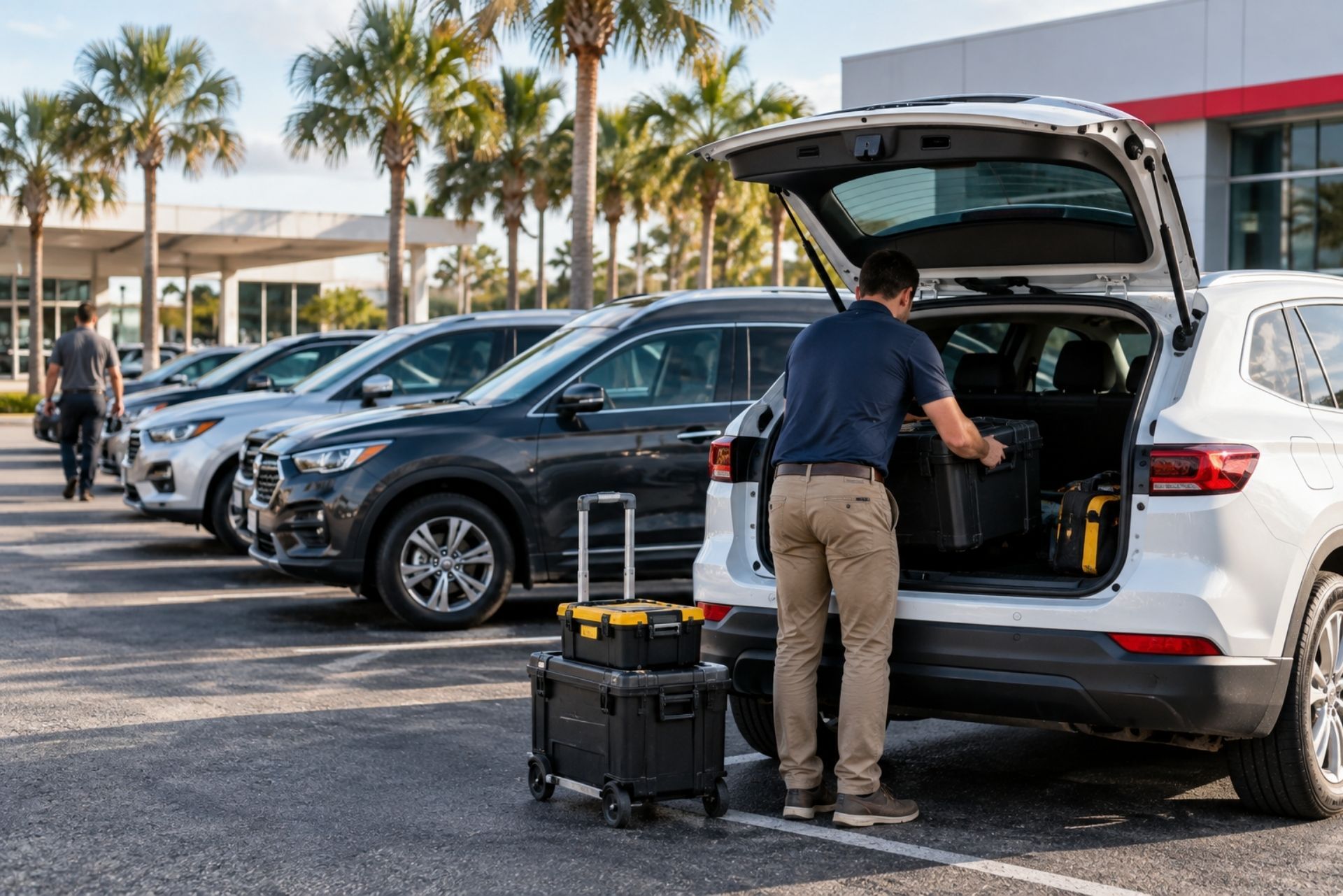
Your office manager drives her own car to pick up lunch for a team meeting. On the way back, she runs a red light and T-bones another vehicle. The other driver suffers a broken collarbone and $40,000 in medical bills. The injured driver's attorney sues both your employee and your company.
Your employee's personal auto policy may cover her liability up to her policy limits. But if the claim exceeds those limits, or if her insurer denies the claim due to a business use exclusion, your company is on the hook. Non-owned auto coverage would step in to cover the business's liability in this scenario.
Renting Cars for Business Travel and Client Meetings
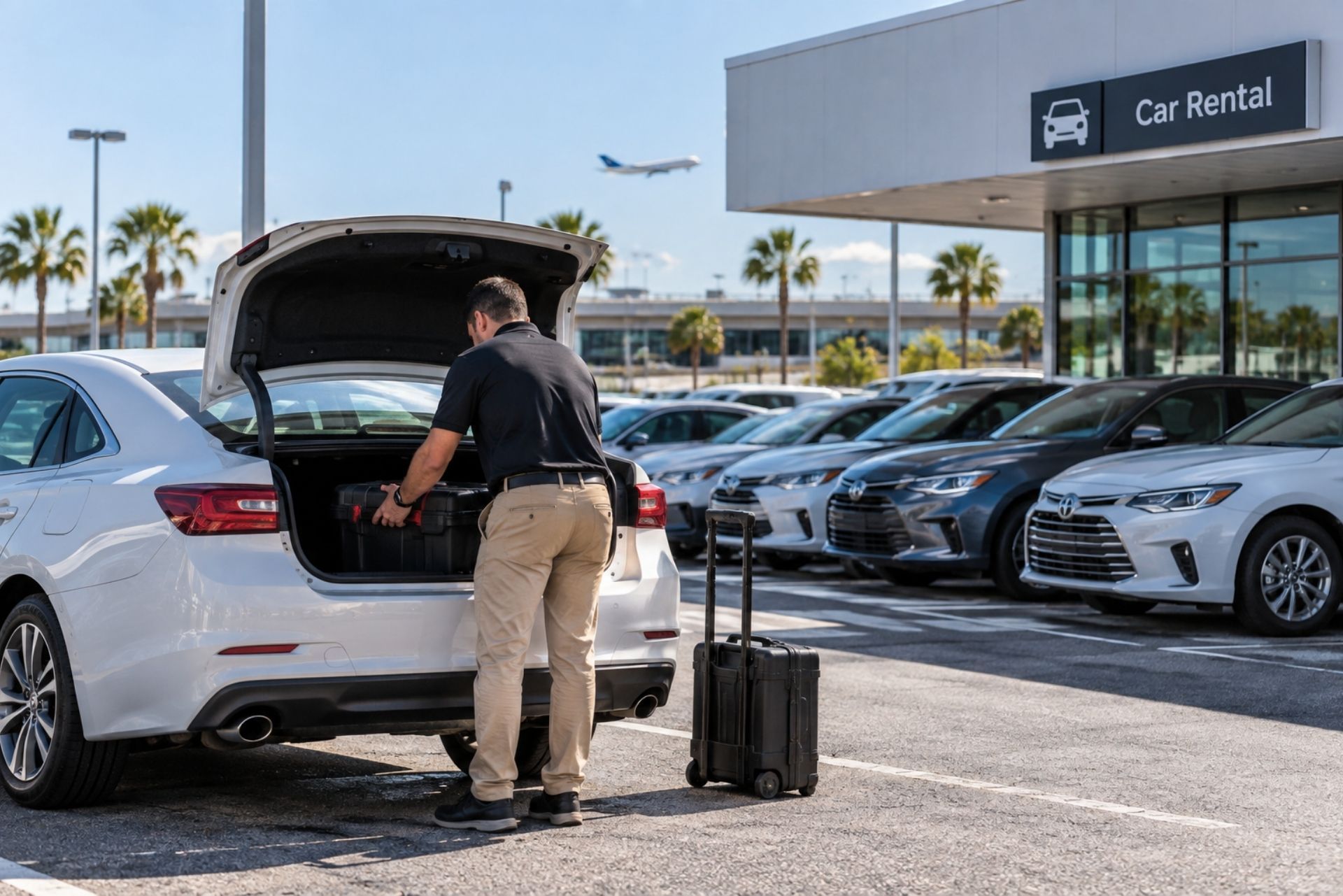
A sales rep rents a car for a three-day client visit in another city. She backs into a parked car in a hotel lot, causing $8,000 in damage to the other vehicle and $3,000 to the rental. The rental company's loss damage waiver might cover damage to the rental itself, but it won't cover the damage she caused to the parked car.
Hired auto coverage handles the liability claim from the parked car's owner. If you've added physical damage coverage to your hired auto endorsement, it may also cover the rental car damage, potentially saving you from paying the rental company's inflated repair charges. Many businesses that
track their vehicle expenses for tax deductions don't realize they should also be tracking their insurance exposure for those same trips.
Answers to Common Business Auto Questions
Does my employee's insurance pay first if they crash on a work trip?
Generally, yes. The employee's personal auto policy is considered primary coverage. Your HNOA policy acts as excess or secondary coverage, picking up costs that exceed the employee's policy limits or filling in if their insurer denies the claim. That said, you can still be named in a lawsuit regardless of whose insurance pays first.
Do I need this if I don't own any company vans or trucks?
Yes, and this is one of the most common misconceptions. HNOA coverage exists specifically for businesses that don't own vehicles. If any employee ever drives for work purposes, whether in a rental or their own car, your business has auto liability exposure. A recent report found that 82% of new small businesses carry some form of insurance, but many still lack auto-related coverage because they assume no fleet means no risk.
Will this cover physical damage to the rental car itself?
Standard HNOA coverage is liability-only. It covers damage you cause to other people and their property. To cover physical damage to a rented vehicle, you'll need to add a hired auto physical damage endorsement to your policy. This endorsement typically costs an extra $50 to $200 per year and can save you from paying the rental company's collision damage charges, which are often inflated well above actual repair costs.
Does it cover my employees if they get injured in an accident?
No. HNOA coverage is strictly liability insurance. It protects your business from claims made by third parties. If your employee is injured while driving for work, workers' compensation insurance is the policy that covers their medical bills and lost wages. You need both coverages working together to fully protect your business and your team.
How much does adding HNOA typically cost a small business?
For most small businesses, HNOA coverage runs between $150 and $500 per year when added as an endorsement to an existing commercial policy. The exact cost depends on your industry, the number of employees who drive for work, and your claims history. Compared to the potential cost of a single uninsured accident, it's one of the most affordable coverages available. Many small businesses remain underinsured simply because they don't realize how inexpensive these endorsements are.
Making the Right Choice for Your Team
If even one employee occasionally drives for work, whether to grab supplies, visit a client, or pick up a rental car at the airport, your business carries auto liability risk. HNOA coverage is one of the least expensive endorsements you can add to a commercial policy, and it closes a gap that could otherwise result in six-figure lawsuits landing squarely on your balance sheet.
Start by auditing how often your employees drive for business purposes. Count the errands, the rental reservations, the client visits. Then talk to your insurance agent about adding hired and non-owned auto coverage to your existing policy. Ask specifically about hired auto physical damage if your team rents vehicles regularly.
The businesses that get burned by auto liability claims aren't the ones with large fleets and dedicated risk managers. They're the small companies that never thought a quick lunch run could turn into a lawsuit. Don't let a $300 annual endorsement be the thing you skipped that costs you everything.
About The Author:
David Ashton
As Owner and Agent at Southern Insured, I’m passionate about helping families and businesses in South Carolina find coverage that truly fits their needs. With a background in accounting and years of experience as an independent agent, I value the freedom to recommend what’s best for each client. I enjoy spending time with my wife and children, volunteering at my church, and exploring everything the Upstate has to offer.
Personal Insurance Solutions to Protect Your Self & Family
MANAGE YOUR PERSONAL RISK



We love our clients
Over 270+ 5-Star Reviews on Google!

Sarah Gibbs
Personal Insurance Client

Couldn't be happier! If you're looking for home insurance. look no further, The Southern Insurance Group is a great place to get insurance. They really go above and beyond helping you find the best bang for your buck. We own a rental business and a construction company, First Choice Constructors, and Rachel did a great job helping our company find exactly what we needed. Even when her phone was broken, Rachel sent texts and emails communicating clearly and efficiently. She's a true gem to The Southern Insurance Group. It's a pleasure doing business with them.

Melissa F.
Personal Insurance Client
Aaron Brooks at this agency is the best agent I’ve ever worked with. He’s very knowledgeable, and he patiently listens to what I need. He tailors a package to those needs without me ever wondering if I’m being sold something just for the agency to make money. I came back to him when my insurance needs changed recently because I knew he’d give me sound advice based on my specific situation and concerns. I know I’m in good hands. Thank you, Aaron.

Cristal N.
Personal Insurance Client
Rachel was very helpful, answered all our questions, talked to the salesman we were buying the car from, and had everything ready to go for a totally new policy within an hour.
The next day we had our older car added to the policy as well, it was quick, easy and friendly. We will be doing all our future car insurance needs through Rachel.

Sabrina C.
Personal Insurance Client
David Mosely was so helpful! He walked me through my policy and my options and truly could not have been more helpful. I don't know anyone else who would say they enjoyed their experiences trying to find insurance, but with his help I not only got insured, but learned about exactly what I am paying for.

Bruce B.
Personal Insurance Client
Angela Miller did a above and way beyond what was expected to resolve a Florida DMV license issue. Unbelievable amount of work (e.g. twelve attachments with very professional emails) with an incompetent DMV. David Manning continued to support that effort as well, with no benefit to the company, but great benefit to the customer. Highly recommend this agency for insurance.

Stephanie M.
Personal Insurance Client
Working with David was amazing! He explained different coverage options and what they all meant which allowed us to make informed decisions based on our needs. His knowledge around insurance is phenomenal and he’s a fun person to talk to. I highly recommend!!
Commercial Insurance Solutions to Protect Your Business
THE BEST INSURANCE COVERAGE FOR YOUR BUSINESS






Industries We Serve
WE PROTECT THESE BUSINESS IN SOUTH CAROLINA, NORTH CAROLINA, & GEORGIA
Contractors
Covers liability, property damage, and worker's compensation for contractors.
Restaurants
Protects against property damage, liability, and business interruption for restaurants.
Real Estate Investors
Safeguards investment properties from damages, liability, and income loss.
Insurance News and Insights
BLOG UPDATES




Support, answer and help, get in touch
Address office
5 Century Dr #130, Greenville, SC 29607
810 Dutch Square Boulevard, Suite 123
Columbia, SC 29210
Mailing Address
PO Box 202 Greenville, SC 29602
Greenville, SC
864-626-6181